

Does Homeowners Insurance Cover Termite Damage in Virginia?
Does insurance cover termite damage in Virginia? Why standard HO-3 policies exclude insect loss and how bonds bridge the gap. Call (321) 496-4080.
Standard homeowners insurance policies in Virginia almost never cover subterranean termite damage or structural repairs. Insurers categorize insect infestations as preventable home maintenance responsibilities rather than sudden accidental perils. Property owners must protect their equity through annual crawl space timber inspections, continuous liquid soil barriers, and professional termite warranty bonds.
When a homeowner in Midlothian, Chesterfield, or Powhatan discovers that subterranean termites have hollowed out crawl space floor joists, band boards, or structural support sills, their immediate reaction is often to pick up the phone and call their insurance agent to file a claim.
Unfortunately, almost every homeowner receives the exact same devastating news: standard homeowners insurance policies in Virginia carry explicit, non-negotiable exclusions for damage caused by termites, wood-destroying insects, and vermin.
Understanding why insurers refuse to cover termite damage, how extensive repair bills can climb, and what specific steps you can take to insulate your home equity against catastrophic loss is essential for every Central Virginia homeowner.
Understanding the Standard Policy Exclusion Standard residential property insurance policies (specifically HO-3 and HO-5 comprehensive homeowner forms) are structured to protect property owners against sudden, catastrophic, and accidental physical perils: house fires, lightning strikes, hurricane windstorms, fallen trees, and sudden plumbing pipe bursts.
Insurance underwriters explicitly categorize insect infestations as **preventable, long-term property maintenance issues**. Because subterranean termites (*Reticulitermes flavipes*) consume wood slowly—taking months or years of continuous feeding to cause significant structural failure—actuarial tables and insurance policies dictate that regular inspection and maintenance are the sole responsibility of the property owner. Insurers take the legal stance that regular visual inspections and preventive pest treatments would have caught the infestation long before structural framing was compromised.
The Real Cost of Subterranean Termite Structural Damage The National Pest Management Association (NPMA) estimates that subterranean termites cause over $5 billion in residential structural damage across the United States every single year—exceeding the combined annual property damage caused by fires, hurricanes, and tornadoes.
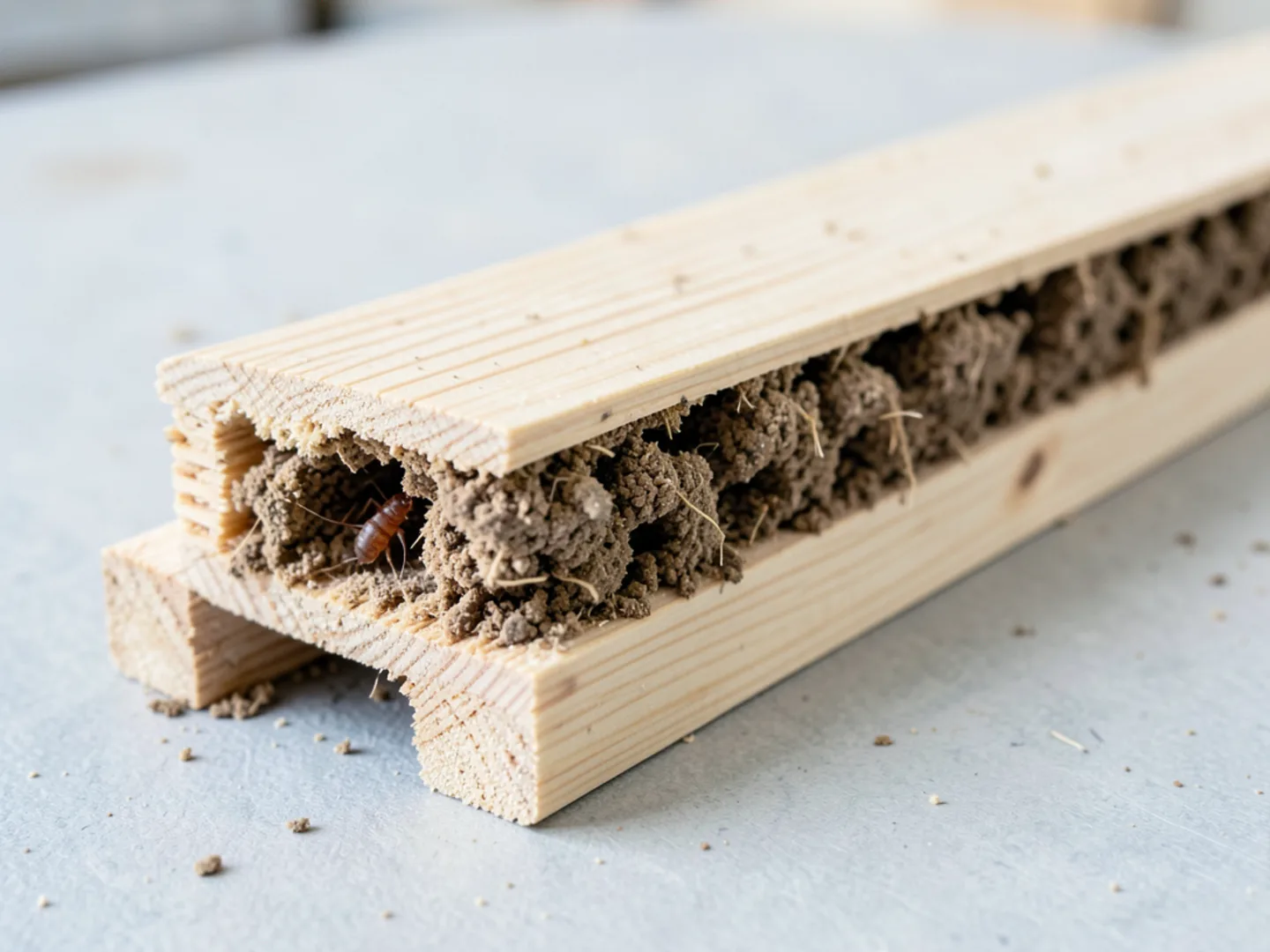
In Central Virginia, where crawl-space homes on Piedmont red clay soils provide continuous subterranean moisture, repairing termite-damaged structural framing is an intensive engineering undertaking. Repairing structural timber typically requires: - Installing temporary steel hydraulic jacks and heavy-duty lally columns in the crawl space to support second-story floor loads. - Cutting out rotted, hollowed sections of band boards and mud sill plates. - Sistering new pressure-treated 2x10 or 2x12 structural lumber alongside damaged floor joists. - Replacing sagging plywood subfloor underlayment and finished hardwood or tile flooring above. - Patching and repainting cracked interior drywall ceilings and door frames caused by structural foundation settling.
Structural repair bills for termite damage routinely range from **$3,500 to over $15,000**, with severe whole-house infestations exceeding $25,000. Under Virginia law, every single dollar of this expense falls squarely upon the homeowner.
Insurance Coverage vs. Termite Protection Options
| Protection Category | Covered Perils | Average Cost | Financial Protection Level |
|---|---|---|---|
| **Standard Homeowners Insurance (HO-3)** | Fire, lightning, storms, pipe bursts | $1,200 – $2,200 / yr | **$0 for termite damage** (explicit policy exclusion) |
| **Annual Termite Crawl Space Audit** | Early detection of mud tubes & timber moisture | $75 – $125 / yr | High diagnostic protection; catches colonies before rot occurs |
| **Liquid Soil Termiticide Barrier** | Continuous chemical barrier (5–7 yr residual) | $1,050 – $2,150 | Exceptional; physically halts termites from reaching sills |
| **Perimeter In-Ground Bait System** | Colony elimination via active monitoring stations | $1,550 – $3,200 | Exceptional; eliminates subterranean nests around property |
| **Annual Termite Repair Warranty ("Bond")** | Re-treatment & structural repair coverage rider | $150 – $350 / yr | Replaces missing insurance; covers repairs if insects re-infest |
Expert Insight: Analyzing HO-3 Policy Language & Virginia Bureau of Insurance Rules Under the standard ISO HO-00-03 policy forms approved by the Virginia State Corporation Commission's Bureau of Insurance, the exclusion language is unambiguous. Section I - Perils Insured Against states: > *"We do not insure, however, for loss: 2. Caused by: e. Any of the following: (1) Wear and tear, marring, deterioration; (2) Inherent vice, latent defect, mechanical breakdown; ... (6) Birds, rodents, or insects."*
Because termites are taxonomically insects (*Isoptera* order within *Blattodea*), claims adjusters reject wood-destroying insect damage claims instantly. Even in rare instances where a homeowner argues that a termite-damaged mudsill collapsed suddenly, the policy's collapse section specifically excludes collapse resulting from insect damage unless the damage was completely hidden from view and the insured had no prior knowledge. In practice, claims adjusters in Chesterfield and Richmond almost always establish that damp crawl space conditions or exterior foundation grade lines provided visible warning indicators that the homeowner failed to address.
Furthermore, a "termite bond" is legally not an insurance policy; it is an extended service warranty regulated by the Virginia Department of Agriculture and Consumer Services (VDACS) under 2 VAC 5-675. When selecting a warranty, homeowners must review the agreement's terms: some providers offer only a "re-treatment bond" (promising only to spray again for free), while high-tier agreements provide a "repair warranty" covering the actual lumber and contractor labor costs required to replace structural timbers damaged after the warranty inception date.
Understanding Termite Bonds & Repair Warranties To bridge the massive financial gap left by insurance exclusions, homeowners turn to professional pest management warranties, traditionally called "termite bonds." A termite warranty is an annual service contract between the property owner and a licensed pest control company: - **Retreatment Guarantees:** If termites re-infest the structure during the active warranty period, the company returns to treat the affected foundation perimeters at zero additional cost. - **Damage Repair Warranties:** Comprehensive agreements may include a structural repair rider covering repair costs if termites inflict new timber damage after the initial barrier was placed. - **Annual Certified Re-Inspections:** Every 12 months, a technician crawls the subfloor to verify that soil barriers remain undisturbed by subsequent landscaping, plumbing repairs, or home additions.
Practical Steps to Protect Your Home Equity Because insurance coverage will not step in when wood-destroying insects attack, homeowners must establish their own structural protection protocols:
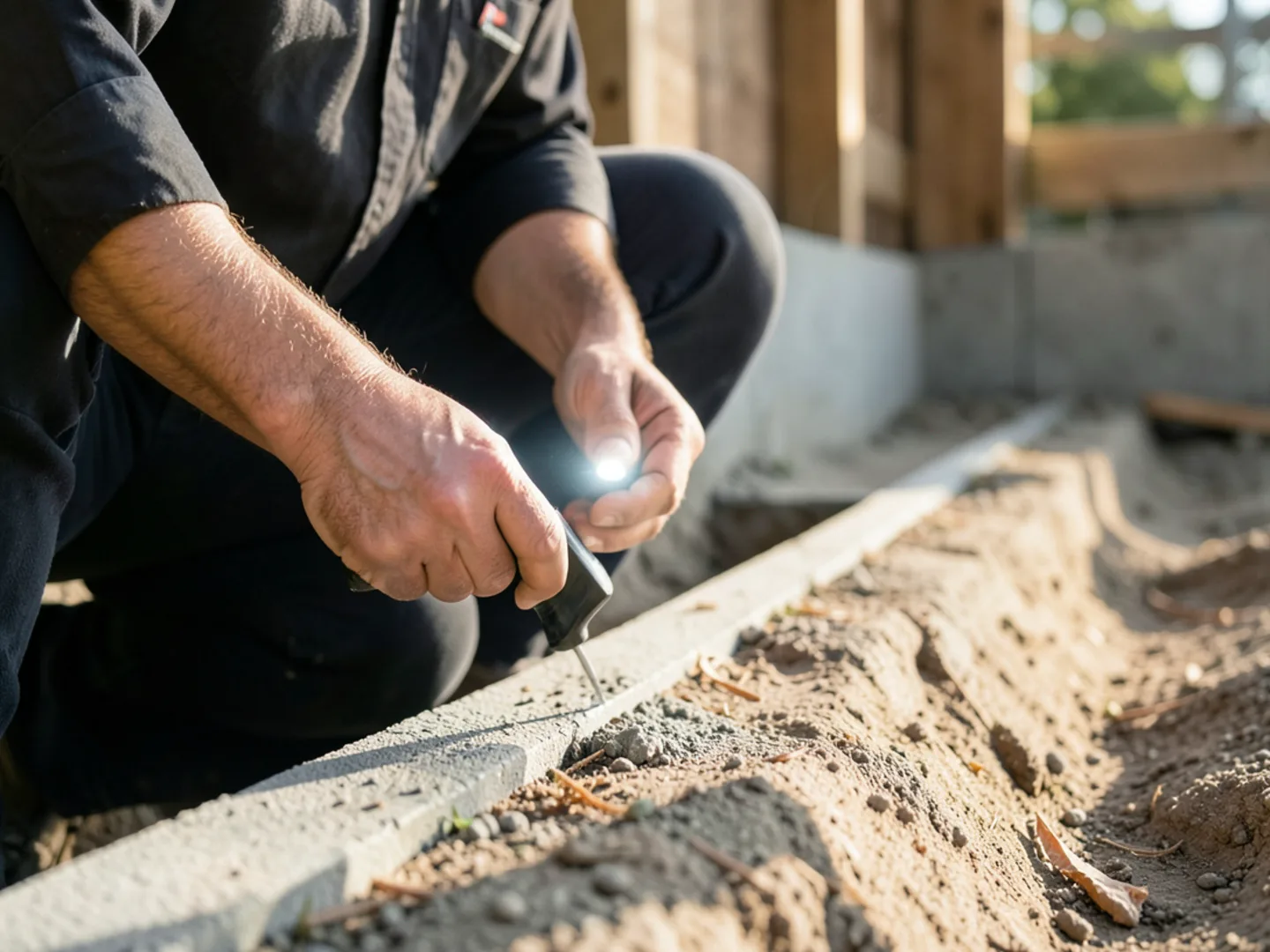
- 1. **Schedule an Annual Professional Crawl Space Audit:** Having a certified termite technician thoroughly crawl your foundation once a year identifies early mud shelter tubes, plumbing leaks, and moisture levels before framing timber is damaged.
- 2. **Install a Continuous Chemical Barrier or In-Ground Bait System:** Non-repellent liquid termiticides (such as fipronil) bond to foundation soils, transferring lethal active ingredients throughout the subterranean colony when workers forage. Alternatively, in-ground bait stations provide ongoing monitoring and colony elimination.
- 3. **Eliminate All Wood-to-Soil Contact:** Never allow exterior wooden deck steps, lattice panels, firewood piles, or wooden siding to rest directly on bare foundation dirt. Maintain at least 6 inches of clear foundation masonry clearance.
- 4. **Control Crawl Space Relative Humidity:** High humidity in crawl spaces accelerates fungal wood rot, softening timber and making it infinitely more attractive to subterranean termites. Ensure ground vapor barriers cover 100% of exposed dirt and foundation vents are clean.
Frequently Asked Questions About Termite Insurance & Damage
**Are there any specialized insurance riders available for termite damage in Virginia?** No insurance carriers in Virginia offer standalone termite damage insurance riders. Instead, structural protection is provided through professional pest control service agreements, commonly called "termite bonds" or structural damage warranties offered directly by licensed pest control companies.
**If a termite-damaged floor collapses, will insurance pay for the collapse?** Standard HO-3 policies specifically state that collapse caused by hidden insect damage is excluded from coverage unless the collapse is sudden and complete, and even then, claims are routinely denied if insect infestation was the underlying cause.
**What is the difference between a liquid barrier and an annual termite renewal warranty?** A liquid barrier physically bonds with soil to kill termites on contact for 5 to 7 years. An annual renewal warranty provides an annual visual re-inspection by a certified technician and guarantees free retreatments if subterranean termites breach the soil barrier.
**Does a home warranty (like American Home Shield) cover termite treatment?** No. Standard home warranty plans cover mechanical systems (HVAC, water heaters, plumbing, and major kitchen appliances). They explicitly exclude pest control, termite eradication, and structural wood repairs.
**Can I deduct termite repair expenses on my Virginia income taxes?** Generally, residential termite repairs on a primary home cannot be deducted on personal income taxes because the IRS classifies pest damage as non-deductible maintenance. However, on residential rental or investment properties, termite treatments and structural repairs can typically be deducted as ordinary operating and maintenance expenses.
Don't wait for sagging floors to reveal uninsured termite damage. Call Sayonara Pest Control at **(321) 496-4080** to schedule a comprehensive crawl space evaluation and secure your Midlothian property.
Talk directly with our local Midlothian dispatch team for guidance and fast scheduling.
Related Services & Service Areas
Targeted Services
Local Communities
Need On-Site Pest Assistance in Midlothian?
Call (321) 496-4080 to book a thorough crawl space or perimeter inspection with Sayonara Pest Control.