Crawl-Space-SmartTrained on Central VA red clay & crawl spaces
Upfront Written EstimatesTransparent pricing before work begins
Detailed Service ReportsComplete written record of every treatment
Midlothian Dispatch Hub13540 Midlothian Tpke, Suite 201
What Our Emergency Stinging Insect Removal Includes
When wasps, hornets, or yellow jackets establish a nest near your front porch, backyard play structure, or lawn turf, quick professional intervention protects your household from dangerous multi-sting attacks. Our emergency response protocol delivers same-day knockdown, complete physical nest extraction, and preventive structural defense:
- **Same-Day Emergency Dispatch:** Rapid on-site response throughout Midlothian and Chesterfield County during active summer and autumn seasons.
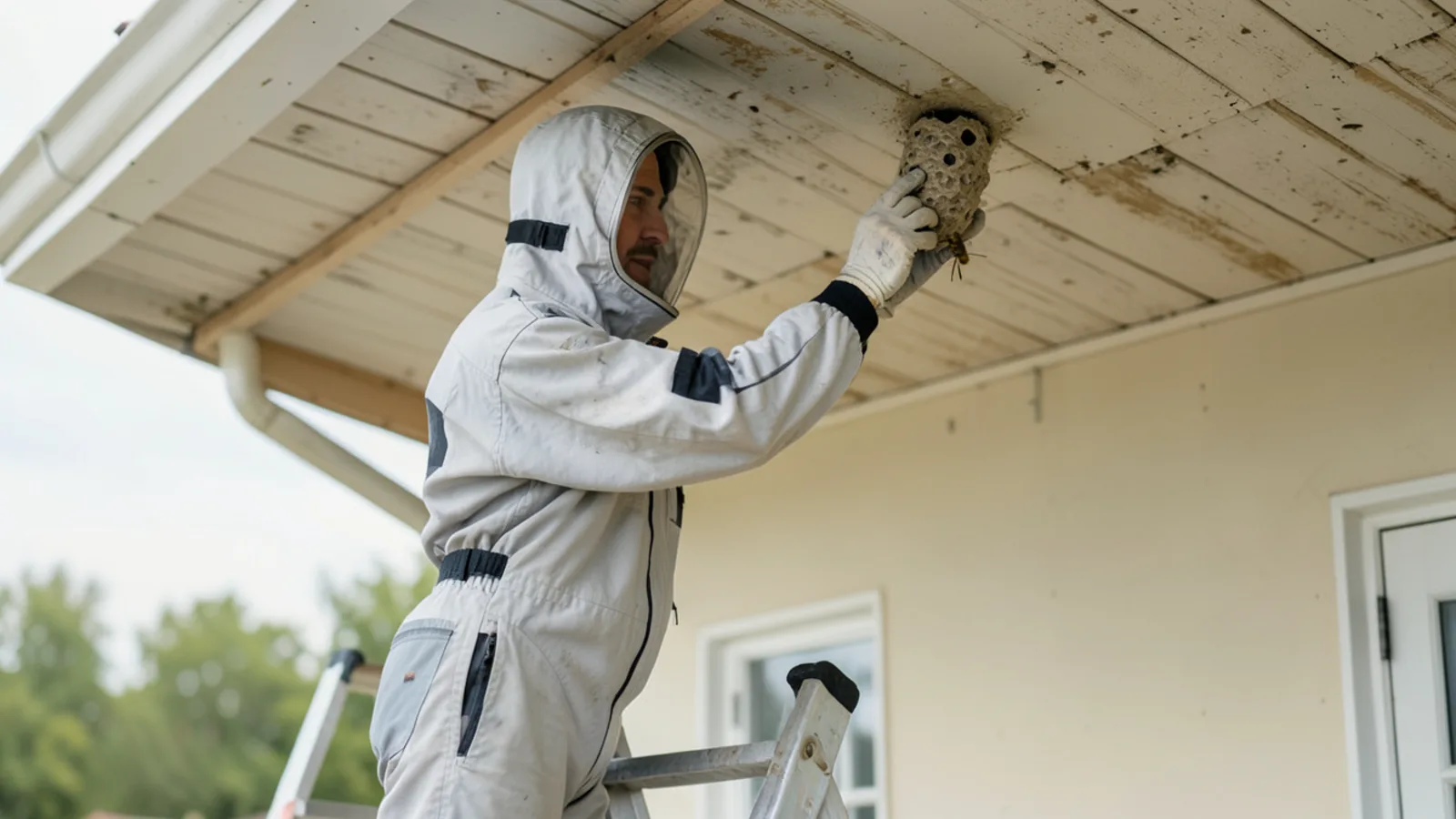
- **Full Protective Suit & Equipment Isolation:** Professional technician approach utilizing triple-layer ventilated bee suits, wire-mesh face veils, and heavy goatskin gauntlets.
- **High-Pressure Direct Contact Eradication:** Instantaneous aerosol freeze and pressurized botanical dusting injected directly into nest cores and subterranean burrows.
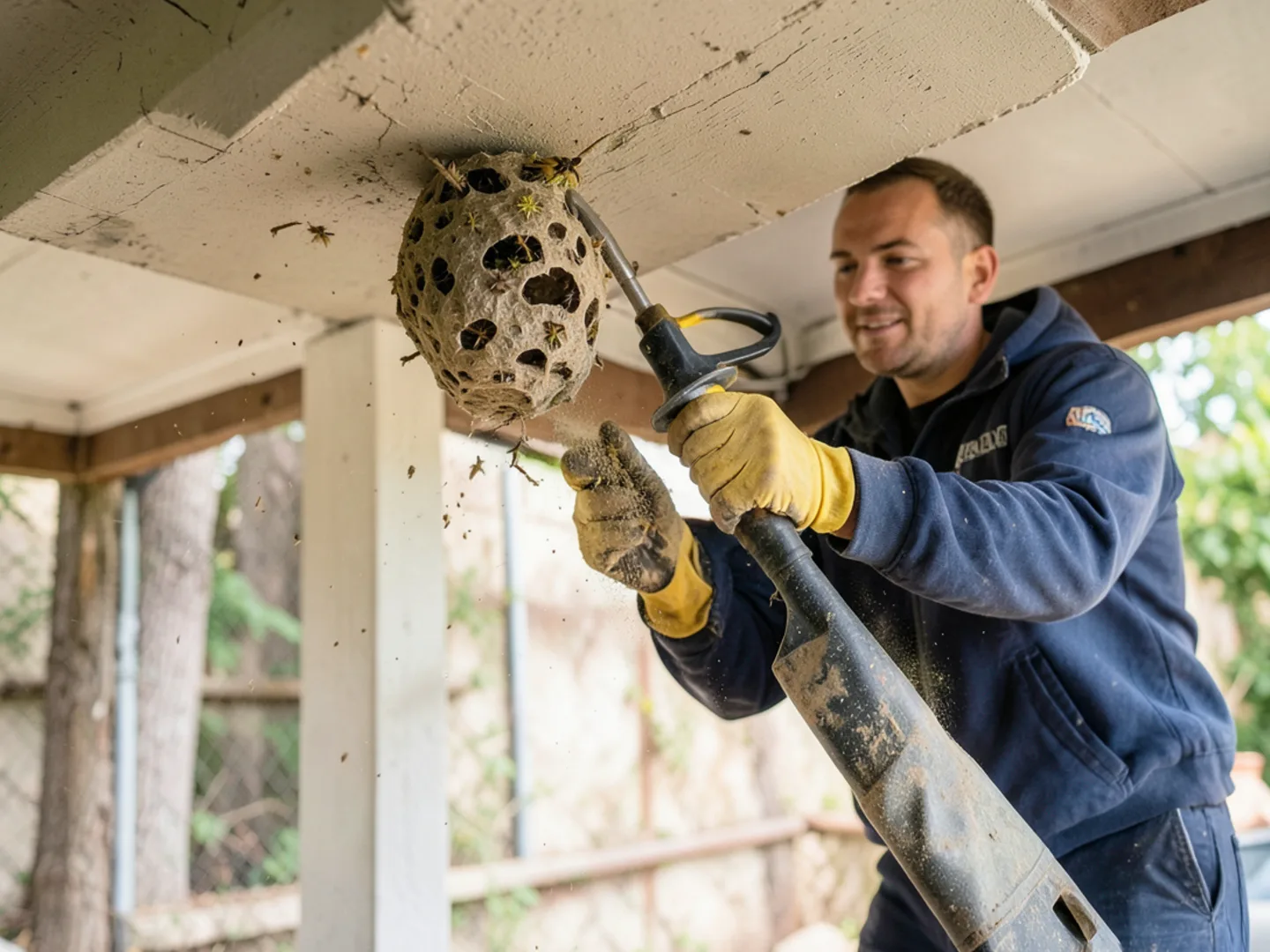
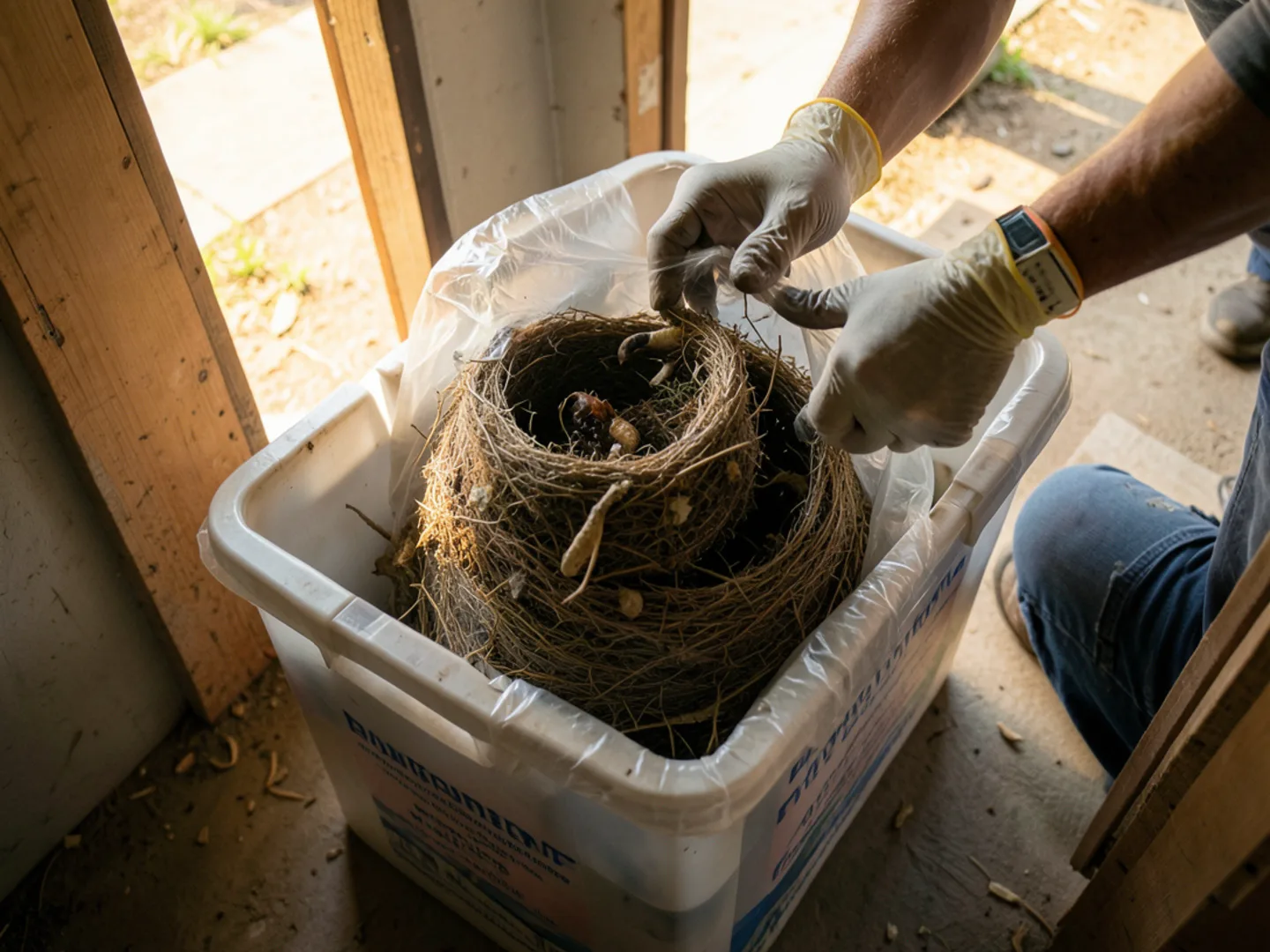
- **Physical Nest Detachment & Scavenger Cleanout:** Complete physical scraping, removal, and bio-bagging of aerial paper nests to eliminate odor lures that attract secondary pests.
- **Long-Lasting Residual Eave Barrier:** Application of micro-encapsulated pyrethroid deterrents along treated soffits, peaks, and deck joists to prevent seasonal re-colonization.
Fast Local Response
Need Help With Wasp, Hornet & Yellow Jacket Removal in Midlothian?
Speak directly with our local coordinator. We answer your questions, outline the step-by-step visit, and confirm prompt dispatch.
No high-pressure sales Upfront written quotes Crawl space specialists
Stinging Insect Threats Common to Central Virginia Yards
From mid-summer through early autumn (July through October), stinging insect colonies across Midlothian reach peak populations numbering thousands of aggressive workers. Unlike solitary pollinators, social wasps and hornets vigorously defend their nests and can sting repeatedly without losing their stingers, posing severe medical risks to children, pets, and individuals with venom allergies.
The four primary stinging insect species encountered in Chesterfield County include:
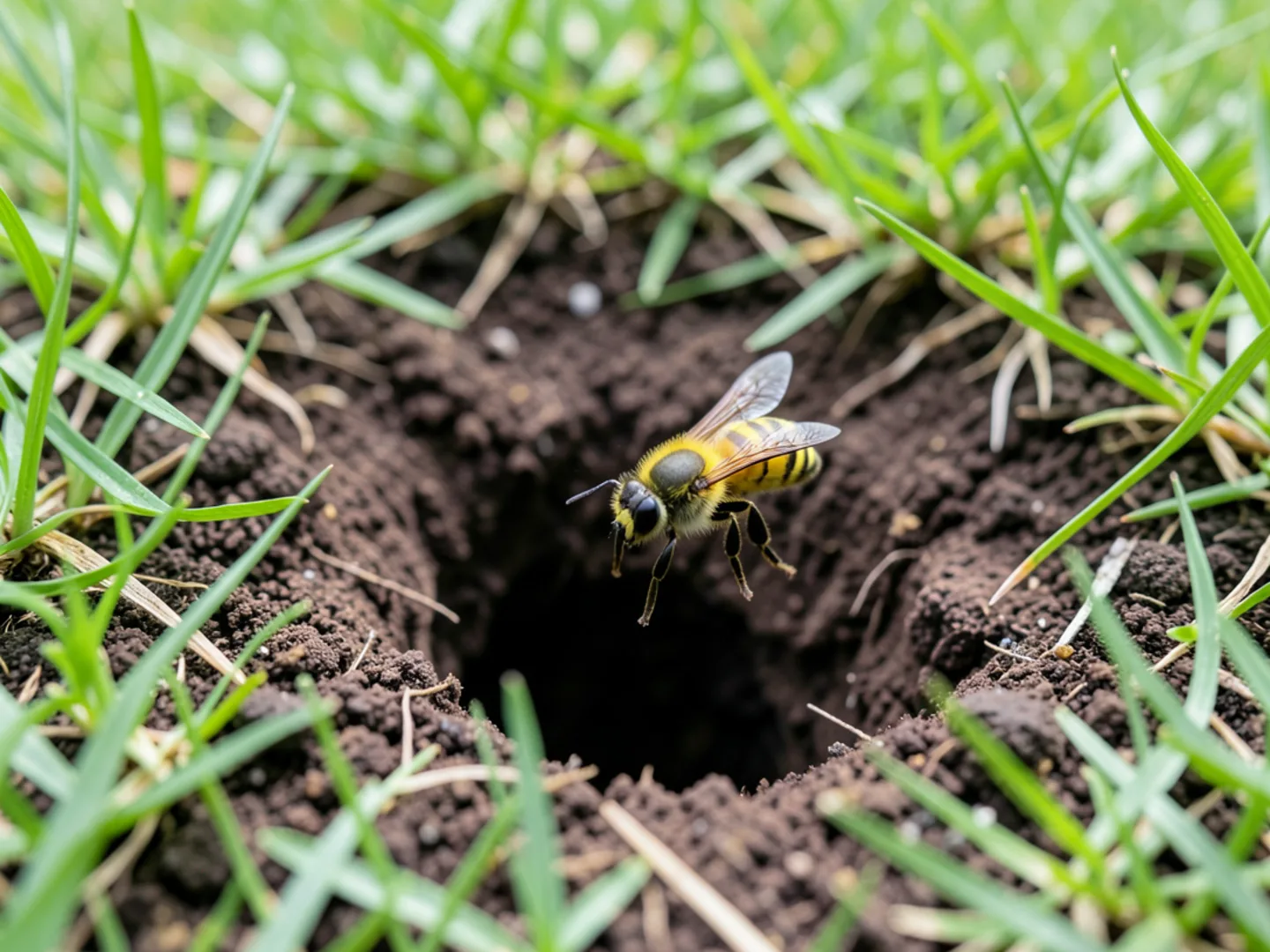
1. **Ground-Nesting Eastern Yellow Jackets (*Vespula maculifrons*):** Yellow jackets frequently take over abandoned rodent burrows in residential lawns, flowerbed mulch, or root cavities under trees. Because the nest is underground, homeowners often run over the entrance with a lawnmower or step on it while walking, triggering an immediate, coordinated swarm attack.
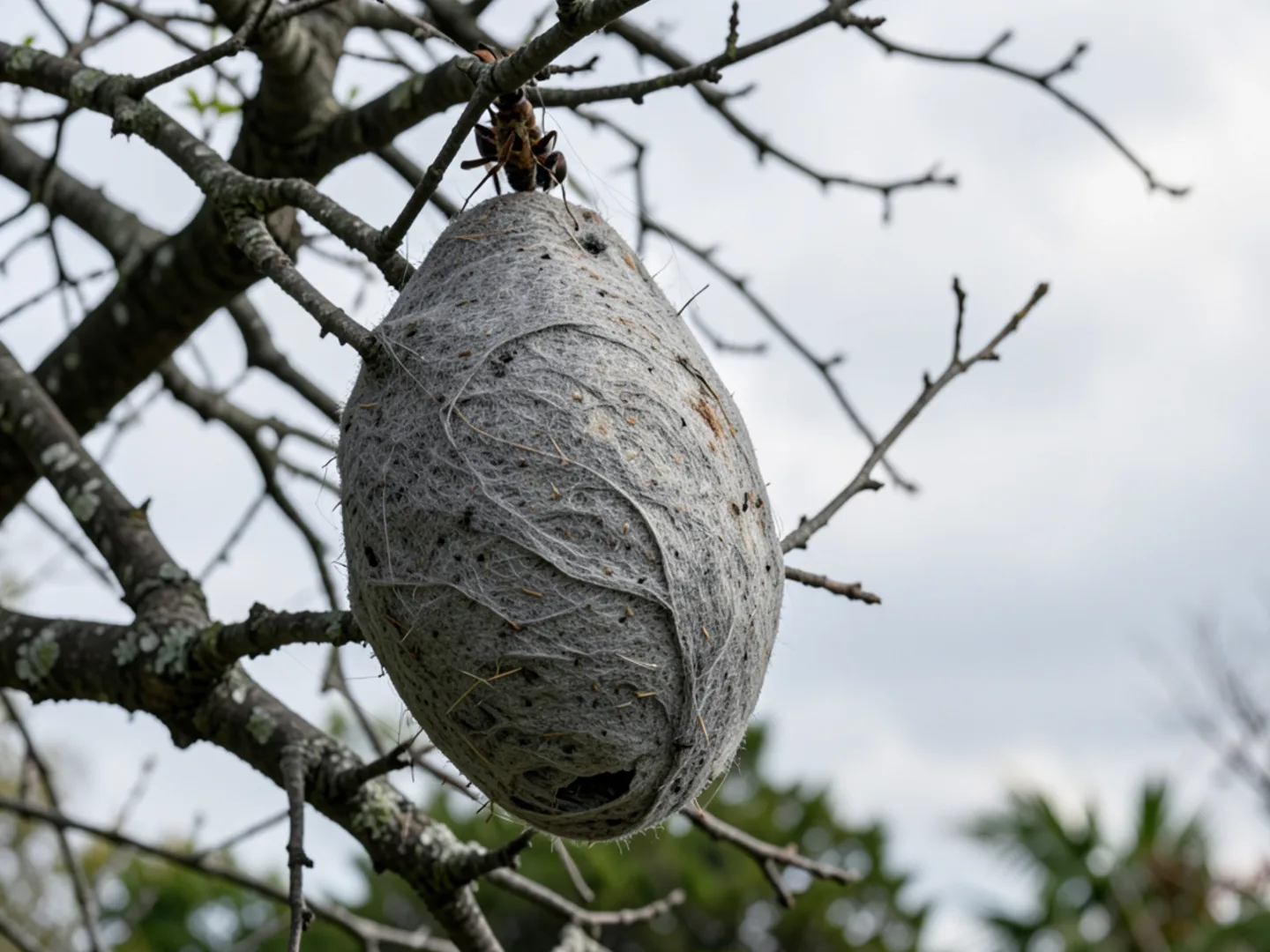
2. **Baldfaced Hornets (*Dolichovespula maculata*):** Actually a large aerial yellow jacket species, baldfaced hornets construct large, inverted-tear-drop-shaped gray paper nests in tree canopies, tall shrubs, or under exterior roof peaks. They are exceptionally defensive within 10 to 15 feet of their nest.
3. **Paper Wasps (*Polistes* species):** Paper wasps build open, umbrella-shaped hexagonal comb nests under roof eaves, deck joists, outdoor light fixtures, and window lintels. While less aggressive than yellow jackets, their proximity to entry doors frequently leads to accidental stings.
4. **European Hornets (*Vespa crabro*):** Large, 1.5-inch brownish-yellow hornets that nest in tree hollows, barn rafters, and attic wall voids. They fly at dusk and night, frequently colliding with lit porch windows and stripping tree bark to feed on plant sap.
Our 5-Step Stinging Insect Eradication Protocol
Eradicating defensive stinging insects demands specialized safety gear, commercial delivery systems, and proven field techniques:
1. **Flight-Path & Colony Triangulation (Full 3-Layer Sting Armor):** Technicians suit up in heavy-duty ventilated canvas bee suits with reinforced wire veils and heavy gauntlets before conducting a 360-degree perimeter audit to locate all primary entrance tunnels and hidden secondary escape vents.
2. **Subterranean Gallery Void Injection (Pressurized Dust Delivery Systems):** For ground yellow jacket burrows, we insert a specialized directional soil probe directly into the burrow mouth and deliver a dense cloud of micro-fine pyrethroid or botanical insecticidal dust. The dust pressurizes the subterranean gallery, neutralizing the queen and workers on contact without driving the swarm above ground.
3. **Aerial Nest Jet-Stream Eradication (20-Foot Aerosol Freeze Systems):** For aerial baldfaced hornet and paper wasp nests on eaves and high branches, we utilize commercial freezing aerosol formulations with 20-foot concentrated jet streams that instantly coat and immobilize guard wasps.
4. **Physical Nest Detachment & Extraction:** Once colony activity is neutralized, technicians physically detach the paper comb or excavate the subterranean burrow. The nest is sealed in heavy-duty commercial bags and removed from the property to prevent carpet beetles and scavenger flies from feeding on leftover larvae.
5. **Residual Eave & Soffit Preventive Treatment:** Using high-reach extension poles, we apply a micro-encapsulated liquid deterrent to the mounting surface and surrounding fascia, neutralizing the orientation pheromones that attract returning foraging wasps.
Virginia VDACS Category 7A Emergency Standards & Honeybee Preservation
In the Commonwealth of Virginia, commercial stinging insect eradication is strictly regulated by the Virginia Department of Agriculture and Consumer Services (VDACS) Office of Pesticide Services. Technicians must be licensed commercial applicators certified in **Category 7A (General Pest Control)**, ensuring products are applied safely according to EPA label mandates without endangering non-target wildlife or contaminating stormwater runoff.
Equally vital is our pollinator protection policy: Sayonara Pest Control distinguishes strictly between aggressive social wasps and beneficial European honeybees (*Apis mellifera*). Honeybees are vital agricultural pollinators. If an inspection confirms an active honeybee swarm or feral colony residing within structural walls, our technicians coordinate live honeybee extraction and relocation in partnership with Central Virginia beekeepers and members of the Virginia State Beekeepers Association.
What Stinging Insect Removal Costs in Midlothian
Emergency nest removal in Midlothian and Chesterfield County typically ranges between **$150 and $350**, depending on:
- **Nest Location & Accessibility:** Ground-level nests in open sod cost less than large hornet nests 20 feet up in tree canopies or under second-story roof soffits requiring specialized ladder access.
- **Species & Colony Size:** Established late-summer yellow jacket burrows with multiple entrances require more intensive chemical dusting than early-spring paper wasp nests.
- **Structural Wall Void Infiltrations:** When yellow jackets enter through brick weep holes and nest inside sheetrock wall cavities, precision void injection and temporary exit sealing are required.
Autumn Aggression: Why Stings Surge from August to October
Many Midlothian homeowners wonder why yellow jackets and hornets become dramatically more aggressive as summer winds down into autumn. In spring and early summer, worker wasps focus on gathering protein (caterpillars and insects) to nourish the colony's growing larvae. In return, larvae secrete a sweet, carbohydrate-rich liquid that workers consume for energy.
By late August, the fertilized queen ceases egg production, and the larvae pupate into adults. Deprived of their primary carbohydrate source, hundreds of adult workers leave the nest in a desperate search for sugar. They congregate aggressively around outdoor dining areas, soda cans, ripe orchard fruit, and trash dumpsters. Combined with falling temperatures and shorter daylight hours, this nutritional stress makes late-season colonies highly reactive and prone to unprovoked sting attacks against nearby pedestrians and pets.
Preventive Residual Treatments for Soffits, Peaks & Decks
Once the active colony is eradicated and physically removed, preventing future colonies from initiating nests on your home's structural framing is the next vital priority. Queens searching for overwintering sites in autumn and new queens founding springtime colonies in April are naturally attracted to sunny southern and western exposures:
- **Micro-Encapsulated Eave Treatments:** We treat high roof returns, fascia boards, architectural gutters, and attic ridge vents with micro-encapsulated pyrethroid barriers that adhere to painted wood and vinyl siding without staining.
- **Under-Deck Joist Dusting:** Open deck framing provides prime sheltered harborage for paper wasps. We apply botanical deterrent dusts along joist corners and railing posts to discourage comb attachment.
- **Weep Hole Screening:** We advise homeowners on installing stainless steel mesh covers inside exterior brick veneer weep holes, preventing yellow jackets from gaining entry into wall insulation.
Frequently Asked Questions About Wasp, Hornet & Yellow Jacket Removal
Specific answers regarding treatment steps, safety drying times, and local Midlothian considerations.
Never attempt DIY methods like pouring gasoline, kerosene, or boiling water into the hole. Call a professional equipped with a full sting suit who can inject specialized insecticidal dust directly into the subterranean burrow, neutralizing the queen and colony safely without dangerous swarming.
Fast Local Response
Protect Your Home with Proven Wasp, Hornet & Yellow Jacket Removal
Call (321) 496-4080 to discuss your property with our local Midlothian team. Same-week service and written estimates provided before any work starts.
No high-pressure sales Upfront written quotes Crawl space specialists