Comprehensive subterranean termite elimination, crawl space framing protection, and long-term perimeter defense for Midlothian and Chesterfield homeowners.
Benchmark: $1,050–$3,200 depending on linear footage & methodSchedule: Initial barrier installation with annual re-inspection & renewal
Crawl-Space-SmartTrained on Central VA red clay & crawl spaces
Upfront Written EstimatesTransparent pricing before work begins
Detailed Service ReportsComplete written record of every treatment
Midlothian Dispatch Hub13540 Midlothian Tpke, Suite 201
What Our Midlothian Termite Elimination Service Includes
Subterranean termites cause over $5 billion in property damage across the United States annually, and standard homeowners insurance policies in Virginia exclude termite repairs entirely. Our comprehensive termite management program provides end-to-end structural protection designed specifically for Midlothian crawl-space foundations, walkout basements, and slab additions:
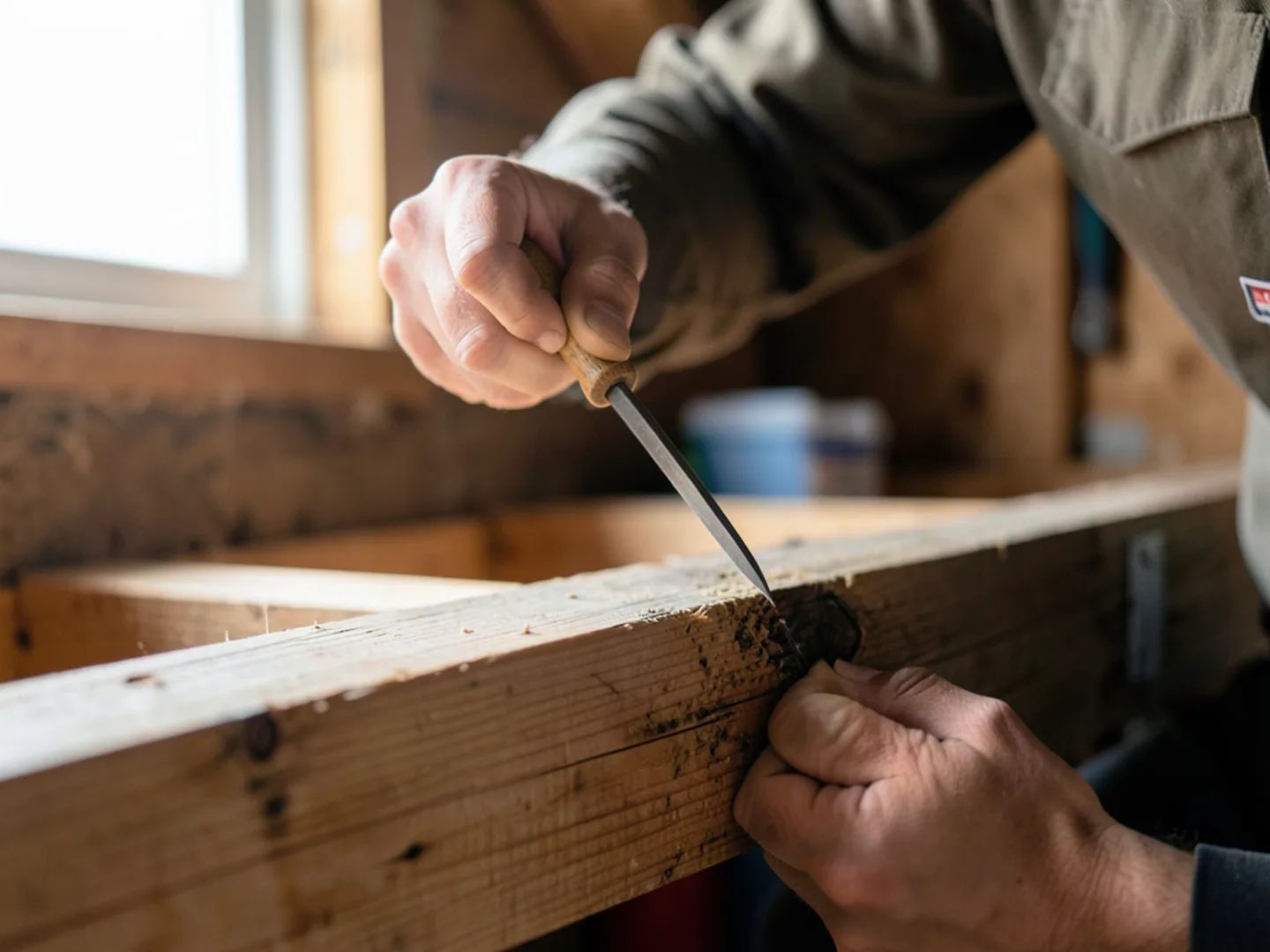
- **Comprehensive Structural Audit:** Complete physical sounding and crawl space examination of sill plates, floor joists, band boards, and masonry piers.
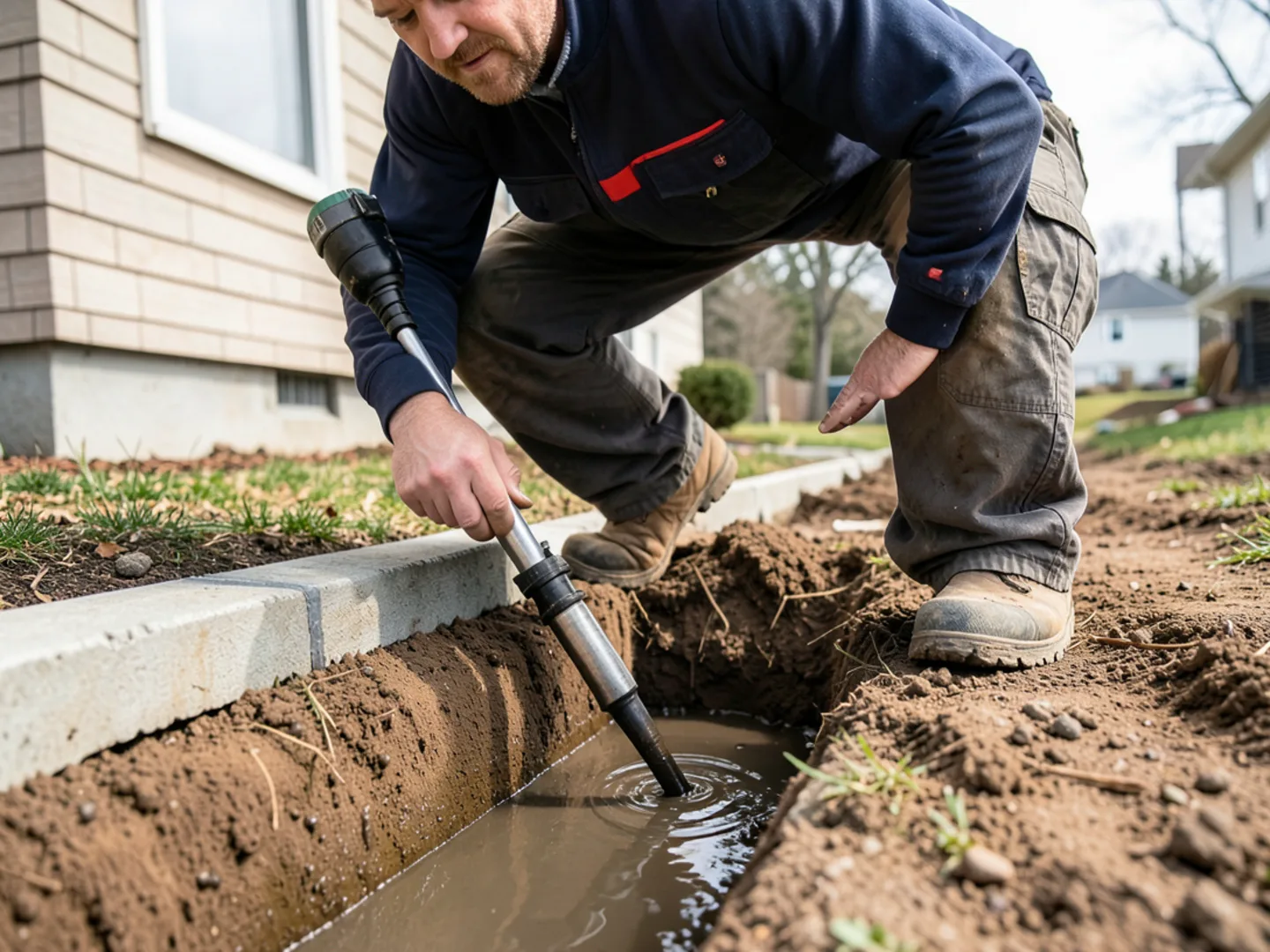
- **Continuous Soil Barrier Trenching:** Precision trenching and termiticide rod injection along foundation walls and interior crawl space footings.
- **Sub-Slab Masonry Injection:** Specialized drilling and chemical injection through attached garage slabs, front porches, and concrete walkways adjoining foundation sills.
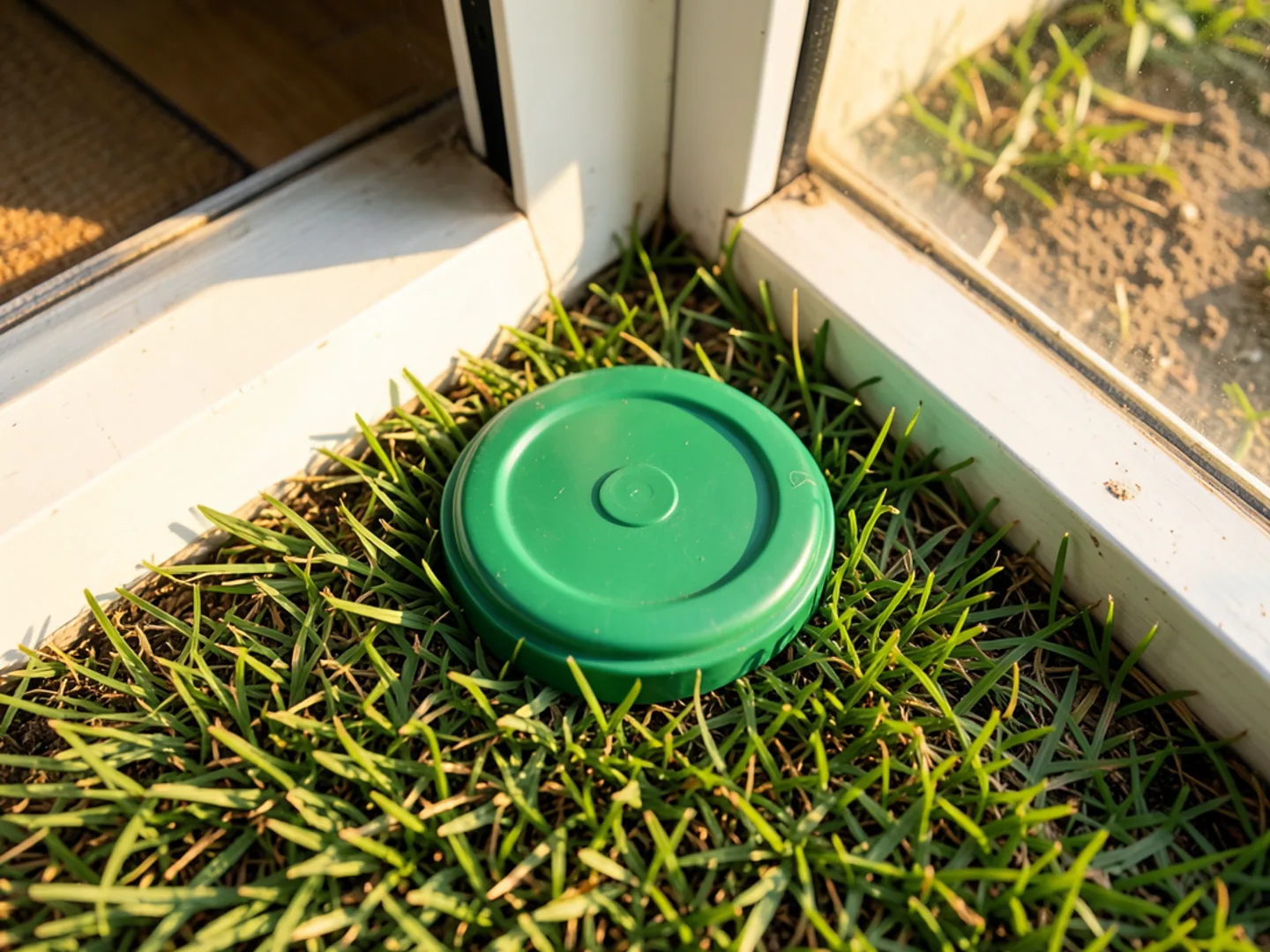
- **Perimeter In-Ground Monitoring:** Strategic installation of tamper-resistant subterranean monitoring stations spaced every 10 to 15 feet.
- **Annual Re-Inspection & Warranty Defense:** Ongoing annual structural inspections to verify barrier continuity and extend retreatment coverage.
Fast Local Response
Need Help With Termite Control in Midlothian?
Speak directly with our local coordinator. We answer your questions, outline the step-by-step visit, and confirm prompt dispatch.
No high-pressure sales Upfront written quotes Crawl space specialists
Signs of Subterranean Termite Infestations in Virginia
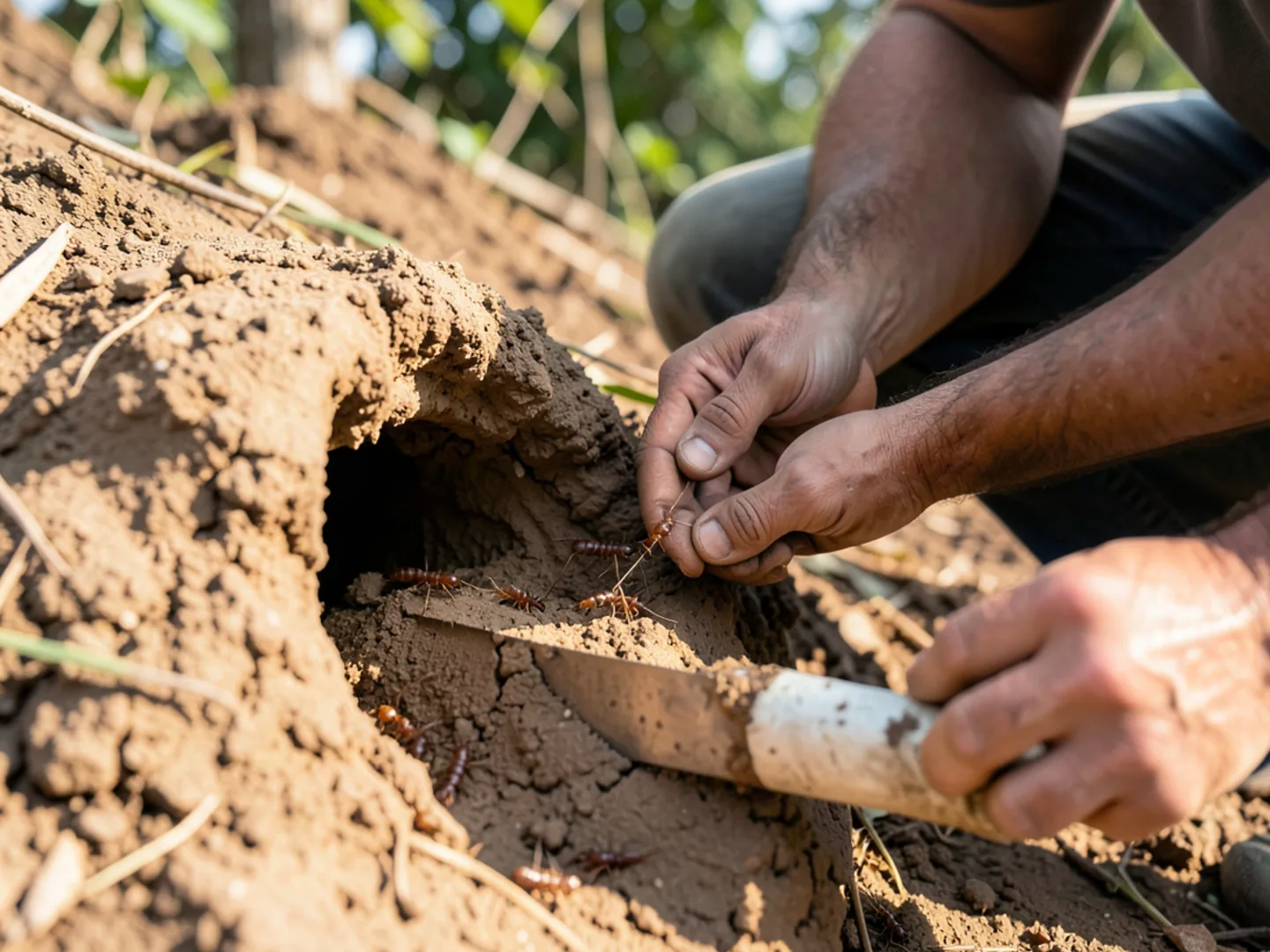
Virginia is designated by the National Pest Management Association (NPMA) and entomological surveys as Threat Level 2: a moderate-to-heavy termite hazard zone, with the Richmond-Petersburg metropolitan area ranking among the top 20 most termite-active markets in the nation. Eastern subterranean termites (*Reticulitermes flavipes*) are by far the dominant wood-destroying pest in Midlothian. Unlike drywood termites found in coastal or tropical climates, subterranean termites nest in subterranean soil colonies and construct moisture-retaining shelter tubes to attack structural framing above.
Because subterranean termites consume the cellulose inside structural timbers from the inside out, infestations frequently operate undetected for months or years. Watch for these three primary field indicators:
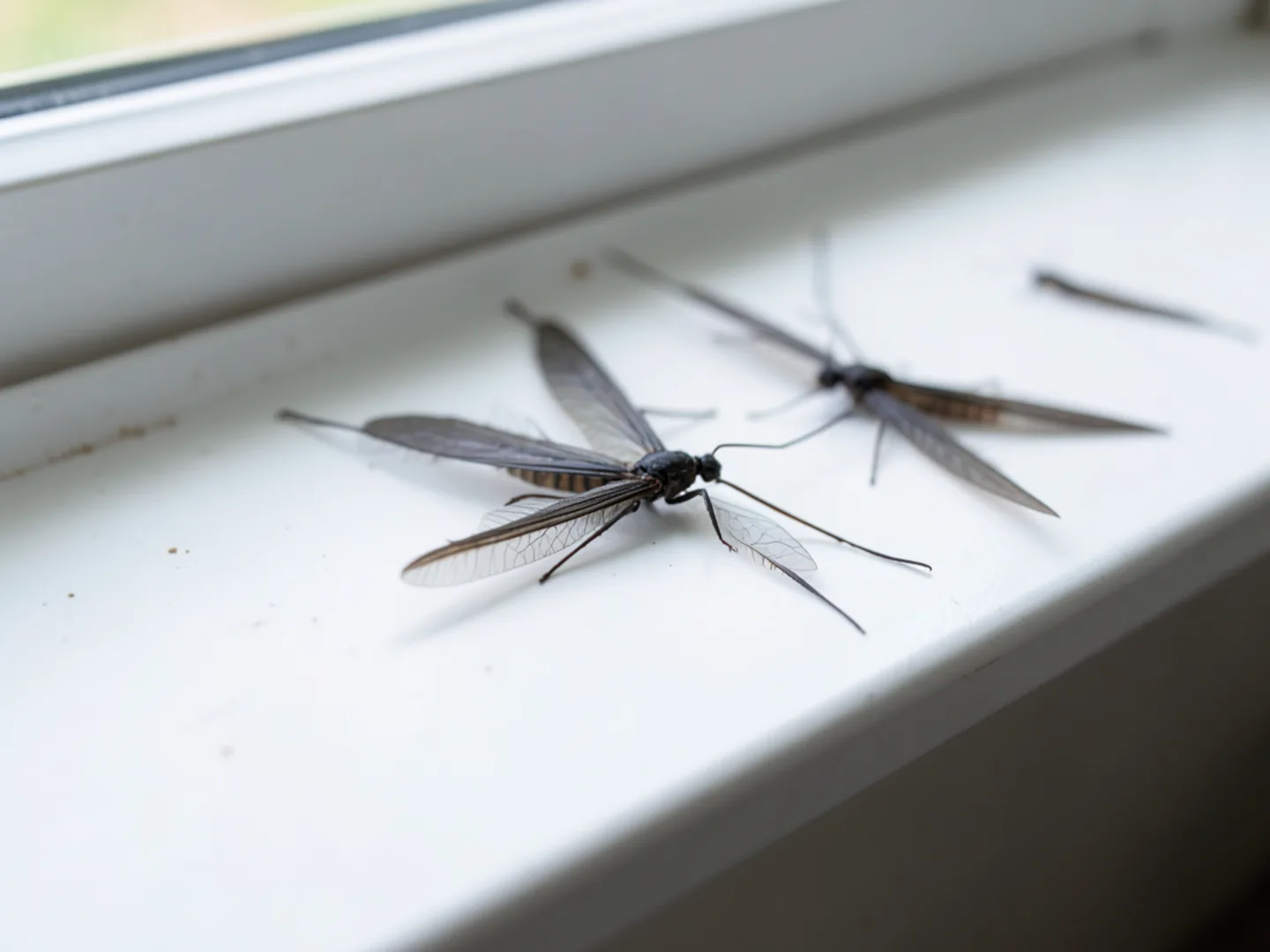
1. **Spring Swarmer Wings on Windowsills:** Between late March and May, mature colonies release thousands of dark-bodied, winged reproductive swarmers. Swarmers drop their wings shortly after flight. Finding piles of translucent, equal-length shed wings on interior window sills, baseboards, or sliding glass door tracks is the single most common sign of an active indoor infestation.
2. **Mud Shelter Tubes Along Masonry Footings:** Subterranean termites require continuous humidity to survive. They build pencil-wide earthen mud tubes ascending foundation walls, crawl space brick piers, concrete blocks, and plumbing chases to travel between underground soil moisture and your wooden sill plates.
3. **Spongy Flooring & Hollow-Sounding Wood:** Infested subflooring, floor joists, or door casings sound dull or hollow when tapped with a screwdriver handle. Severely damaged drywall often develops faint rippling or bubbling resembling subtle water leaks.
Effective termite remediation requires calibrated commercial equipment, precise chemical volumes, and exact execution according to EPA product labels. Our technicians follow a rigorous 5-step structural treatment protocol:
1. **Perimeter Trenching (Heavy-Duty Trenching Shovels):** We excavate a continuous 6-inch-wide by 6-inch-deep trench directly against exterior foundation masonry walls and interior crawl space pier footings, exposing the lower block joints where termites gain entry.
2. **Sub-Slab Masonry Drilling (Rotary Hammer Drills):** Where concrete slabs, garage floors, front porches, or brick paver patios abut the foundation, technicians use commercial rotary hammer drills with 1/2-inch carbide bits to drill through the slab every 12 inches along the foundation line.
3. **Calibrated Liquid Termiticide Injection (Sub-Slab Pressure Rods & Flow Meters):** Using high-pressure sub-slab injection rods equipped with calibrated inline flow meters, we pump EPA-registered non-repellent termiticide (such as fipronil) at the label rate of 4 gallons per 10 linear feet per foot of depth into both the open trenches and slab drill holes. This establishes a continuous subterranean chemical envelope.
4. **Perimeter Bait Station Augering (Mechanical Earth Augers):** For homes utilizing bait monitoring systems, technicians use mechanical earth augers to core tamper-resistant stations flush into turf and mulch beds every 10 to 15 feet around the drip line, loaded with high-density cellulose bait matrices.
5. **Masonry Patching & Soil Backfill:** We backfill all perimeter trenches with treated soil and seal every interior and exterior drill hole flush using specialized non-shrinking hydraulic masonry cement, leaving no visible structural footprint.
Liquid Barrier Treatments vs. Perimeter Bait Station Systems
When designing a termite defense plan for a Midlothian residence, our technicians evaluate your foundation architecture to recommend either a continuous liquid termiticide barrier or an in-ground bait monitoring system:
- **Non-Repellent Liquid Soil Barriers:** Liquid treatments involve trenching a continuous 6-inch-wide by 6-inch-deep trench in the soil directly against the exterior foundation perimeter and inside unpaved crawl space areas. A modern non-repellent liquid termiticide (such as fipronil) is injected into the soil. Foraging termites cannot detect the chemical; as they pass through treated soil, they unknowingly contaminate their cuticle and transfer the active ingredient throughout the central colony through grooming and food-sharing, eliminating the queen and workers within 30 to 90 days.
- **Perimeter In-Ground Bait Systems:** For properties with extensive concrete decking, stamped patios, complex foundation footprints, or environmental sensitivities near well water or Swift Creek Reservoir, bait systems offer an exceptional, non-invasive alternative. Tamper-resistant monitoring stations containing cellulose bait laced with a slow-acting chitin synthesis inhibitor (such as noviflumuron) are cored flush into the soil every 10 to 15 feet around the home. Foraging termites consume the bait, lose the ability to molt, and collapse the entire colony without structural drilling.
Virginia VDACS Category 7B Licensing & Warranty Standards
In the Commonwealth of Virginia, structural wood-destroying insect control is strictly governed under Chapter 39 of the Virginia Agriculture Code, enforced by the Virginia Department of Agriculture and Consumer Services (VDACS) Office of Pesticide Services. Homeowners must ensure that any contractor performing subterranean termite applications is actively licensed as a Virginia Pesticide Business and holds commercial applicator certification in **Category 7B (Wood-Destroying Organism Pest Control)**.
Virginia regulations require strict application volumes: under-dosing foundation trenches is a state compliance violation that leaves homes unprotected. Furthermore, VDACS mandates written contracts specifying the chemical trade name, EPA registration number, total diluted gallons applied, and explicit warranty terms. At Sayonara Pest Control, all termite treatments comply with VDACS Category 7B mandates and include transferable retreatment warranty options with annual physical inspections.
Why Central Virginia Crawl Spaces Are High-Risk for Termites
Midlothian's housing stock presents a unique combination of structural vulnerabilities that make subterranean termites a persistent hazard. Subdivisions established between the 1960s and 2000s (including Brandermill, Salisbury, and Woodlake) were largely built over crawl spaces on heavily wooded lots where native hardwoods and pine root systems were left in the soil.
Central Virginia's Piedmont red clay absorbs water rapidly but drains extremely slowly. In crawl spaces with poor ventilation, missing ground vapor barriers, or improper roof downspout drainage, crawl space relative humidity frequently exceeds 70%. When floor joists, band boards, and sill plates absorb this ambient moisture, their moisture content rises above the 15% threshold that subterranean termites require for rapid feeding. Furthermore, wooden deck stairs, fence posts, and landscape timbers in direct contact with foundation soil provide direct subterranean superhighways into the sill structure.
What Drives the Cost of Midlothian Termite Treatment
Termite remediation requires specialized commercial equipment, sub-slab injection tools, and significant chemical volume. In the Richmond metropolitan area, published market data (Termite Treatment Price, 2026) establishes realistic cost expectations:
- **Continuous Liquid Soil Barrier:** **$1,050 to $2,150** for standard residential foundation footprints (typically calculated at $8 to $14 per linear perimeter foot).
- **Perimeter In-Ground Bait Systems:** **$1,550 to $3,200** for initial station core installation and the first year of scheduled monitoring visits.
Cost drivers include the total linear footage of the foundation, crawl space accessibility and clearance height, the presence of adjoining concrete slabs (such as front porches, garages, and patios requiring masonry drill injection), and whether active structural repairs are needed. Homeowner insurance in Virginia virtually **never** covers termite structural damage, making professional prevention one of the most critical investments in home equity protection.
Specific answers regarding treatment steps, safety drying times, and local Midlothian considerations.
Termite swarmers have straight, beaded antennae, a broad waist with no pinch, and four wings that are completely equal in size and length. Flying ants have elbowed antennae, a distinctly pinched 'wasp-like' waist, and forewings that are noticeably larger than their hind wings. Swarmer termite wings also shed very easily on windowsills.
Fast Local Response
Protect Your Home with Proven Termite Control
Call (321) 496-4080 to discuss your property with our local Midlothian team. Same-week service and written estimates provided before any work starts.
No high-pressure sales Upfront written quotes Crawl space specialists