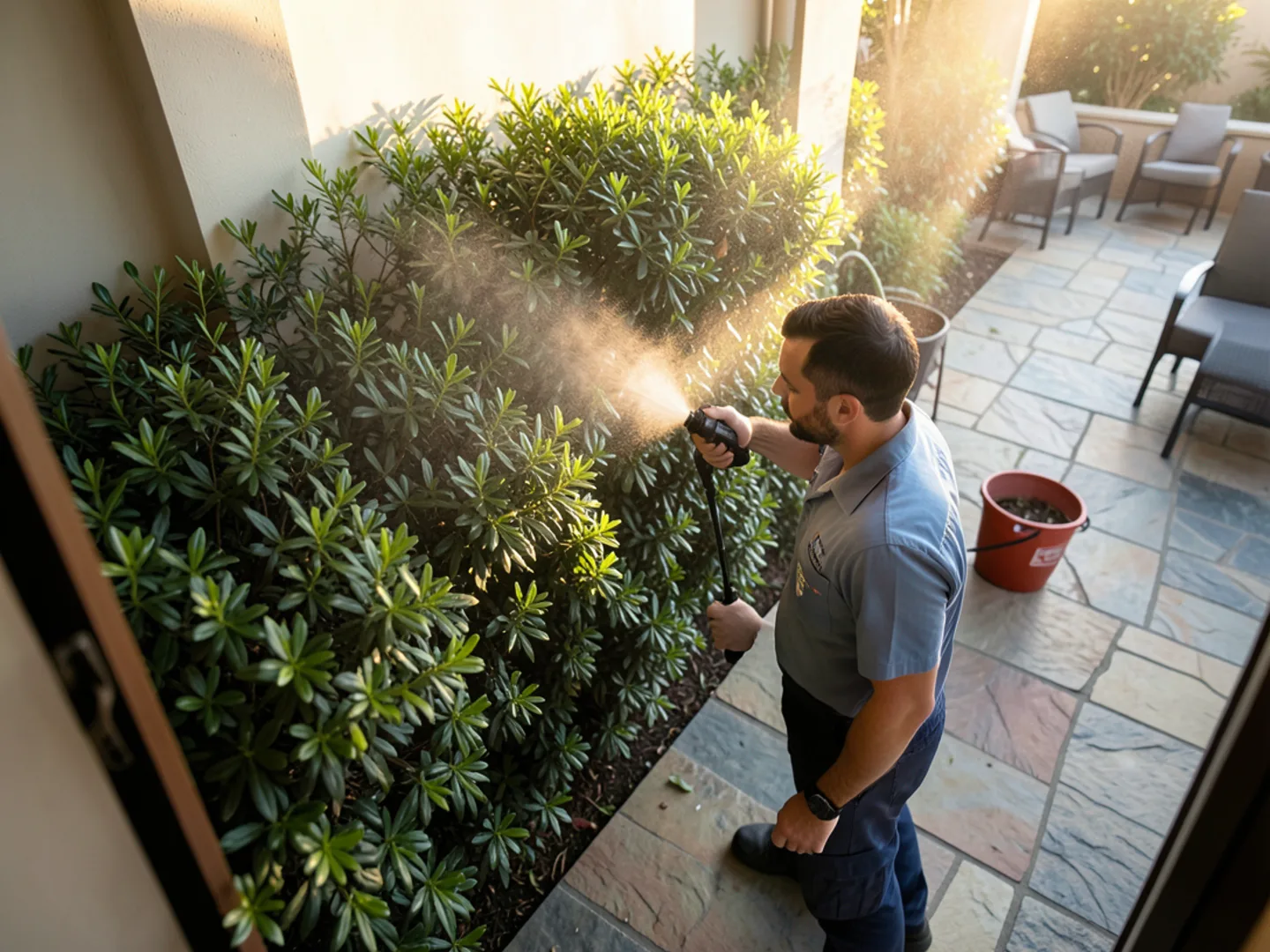
Seasonal backpack misting and biological larviciding targeting Asian tiger mosquitoes and dangerous lone star ticks around Midlothian and Swift Creek yards.
Benchmark: $400–$750 for seasonal coverage (April–October)Schedule: Every 21–28 days during active warm weather season
Crawl-Space-SmartTrained on Central VA red clay & crawl spaces
Upfront Written EstimatesTransparent pricing before work begins
Detailed Service ReportsComplete written record of every treatment
Midlothian Dispatch Hub13540 Midlothian Tpke, Suite 201
What Our Seasonal Mosquito & Tick Program Includes
Enjoying your deck, pool, or lawn during Virginia's warm season shouldn't require bathing in insect repellent. Our comprehensive seasonal program delivers multi-layered suppression of biting adult pests and eliminates breeding sites across your property:
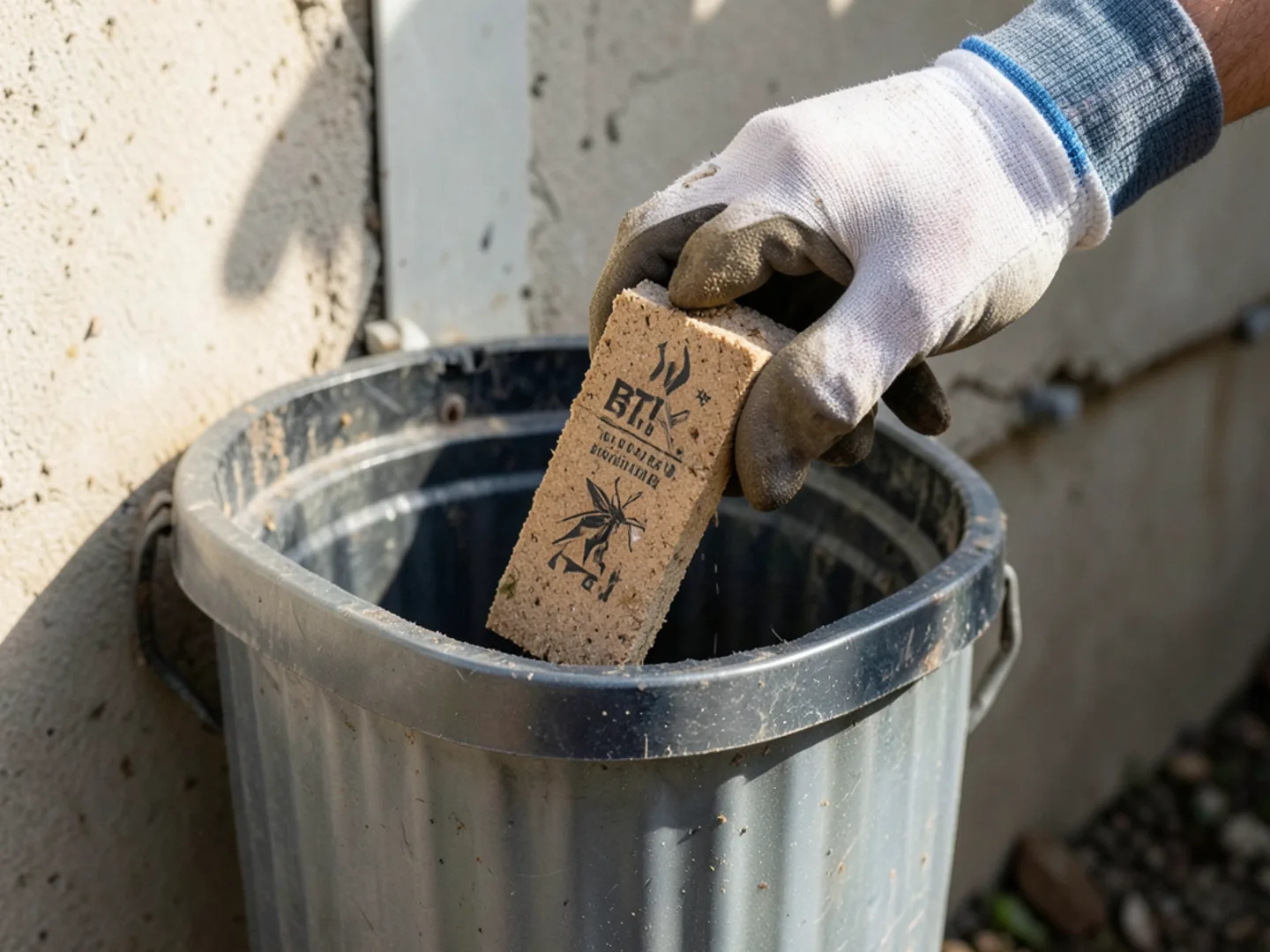
- **Biological Larviciding:** Targeted placement of EPA-registered biological dunks in stagnant drainage catch basins, corrugated downspout lines, and marshy low spots.
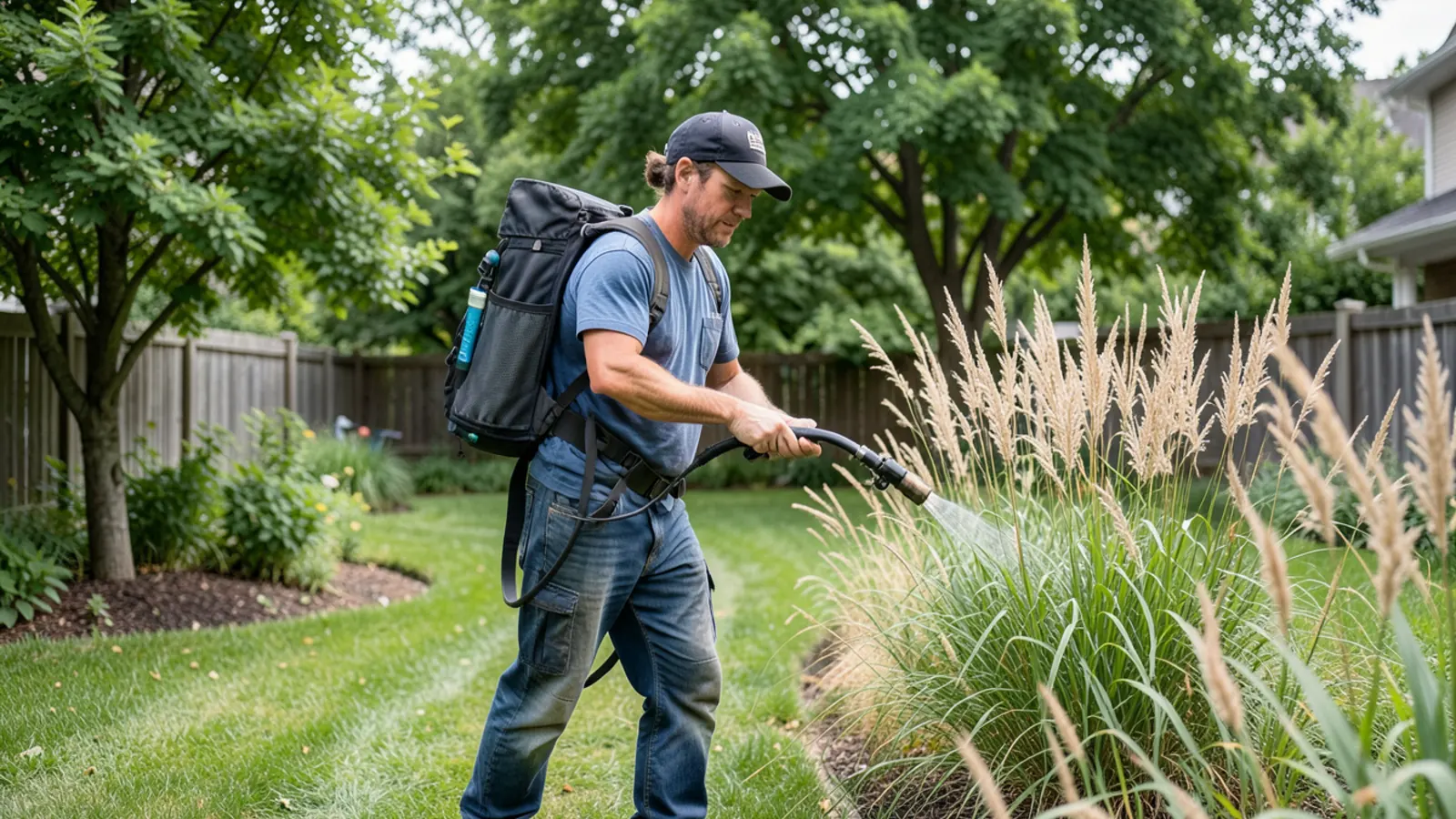
- **Backpack Foliage Barrier Misting:** High-velocity canopy misting treating the undersides of broadleaf shrubs, groundcover ivy, and shaded tree margins up to 10–12 feet.
- **Woodline Tick Granular Perimeter:** Heavy-duty water-resistant granular bands applied where manicured turf transitions into dense forest or tall pasture grass.
- **Under-Deck & Hardscape Harborage Void Treatments:** Focused micro-applications beneath elevated wooden decks, patio furniture perimeters, and crawl space well covers.
- **Strict Pollinator Buffers:** Mindful technician inspection that preserves honeybee populations by bypassing blooming garden plants, clover, and vegetable gardens.
Fast Local Response
Need Help With Mosquito & Tick Control in Midlothian?
Speak directly with our local coordinator. We answer your questions, outline the step-by-step visit, and confirm prompt dispatch.
No high-pressure sales Upfront written quotes Crawl space specialists
Yard Pest Threats: Asian Tiger Mosquitoes & Lone Star Ticks
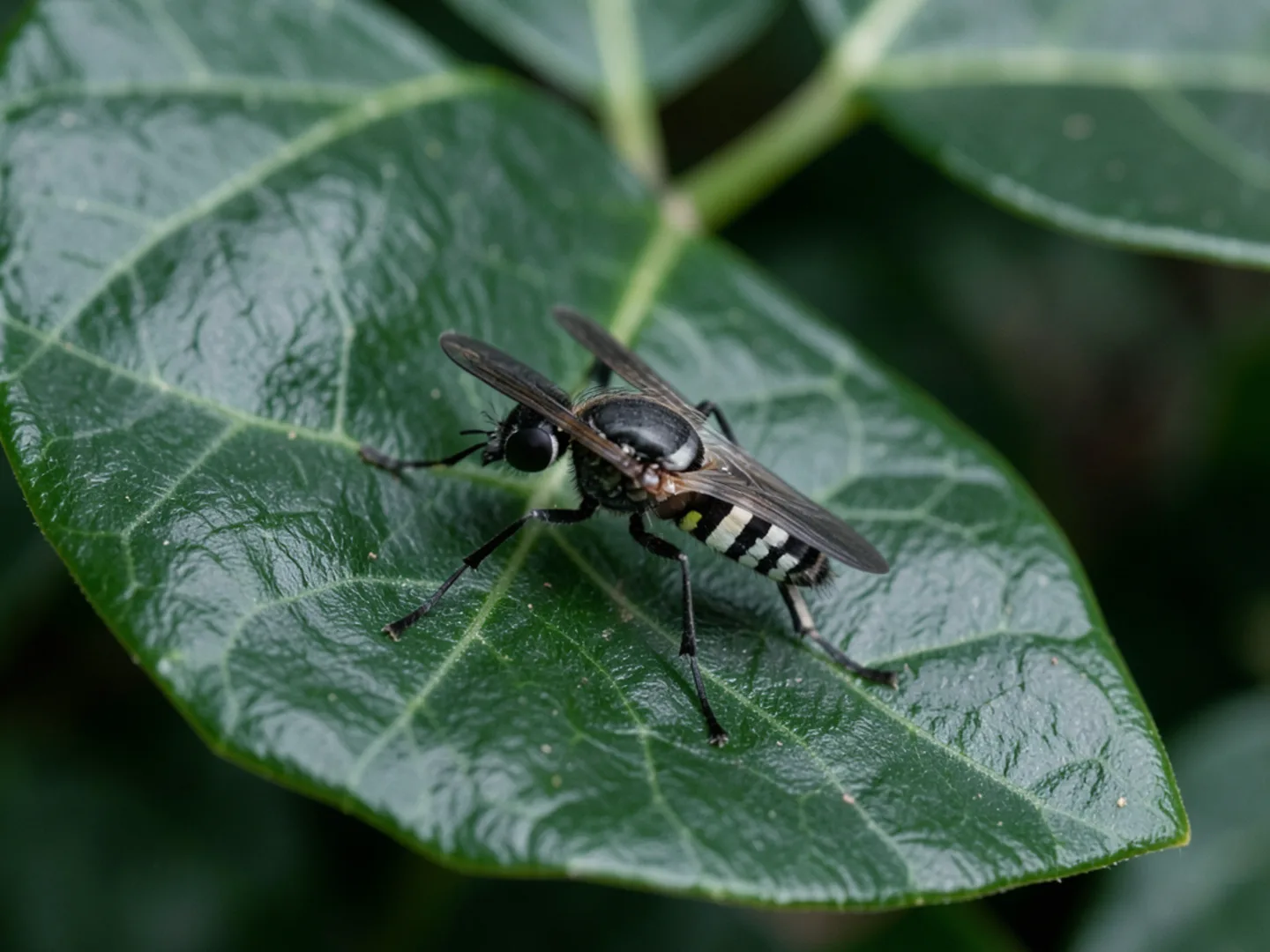
From late April through October, outdoor living in Midlothian, Powhatan, and Chesterfield County is severely impacted by aggressive populations of Asian tiger mosquitoes (*Aedes albopictus*) and lone star ticks (*Amblyomma americanum*). Unlike native woodland mosquitoes that feed exclusively at dusk, Asian tiger mosquitoes are aggressive daytime biters that shelter in low-lying shrubbery and target ankles and legs in broad daylight.
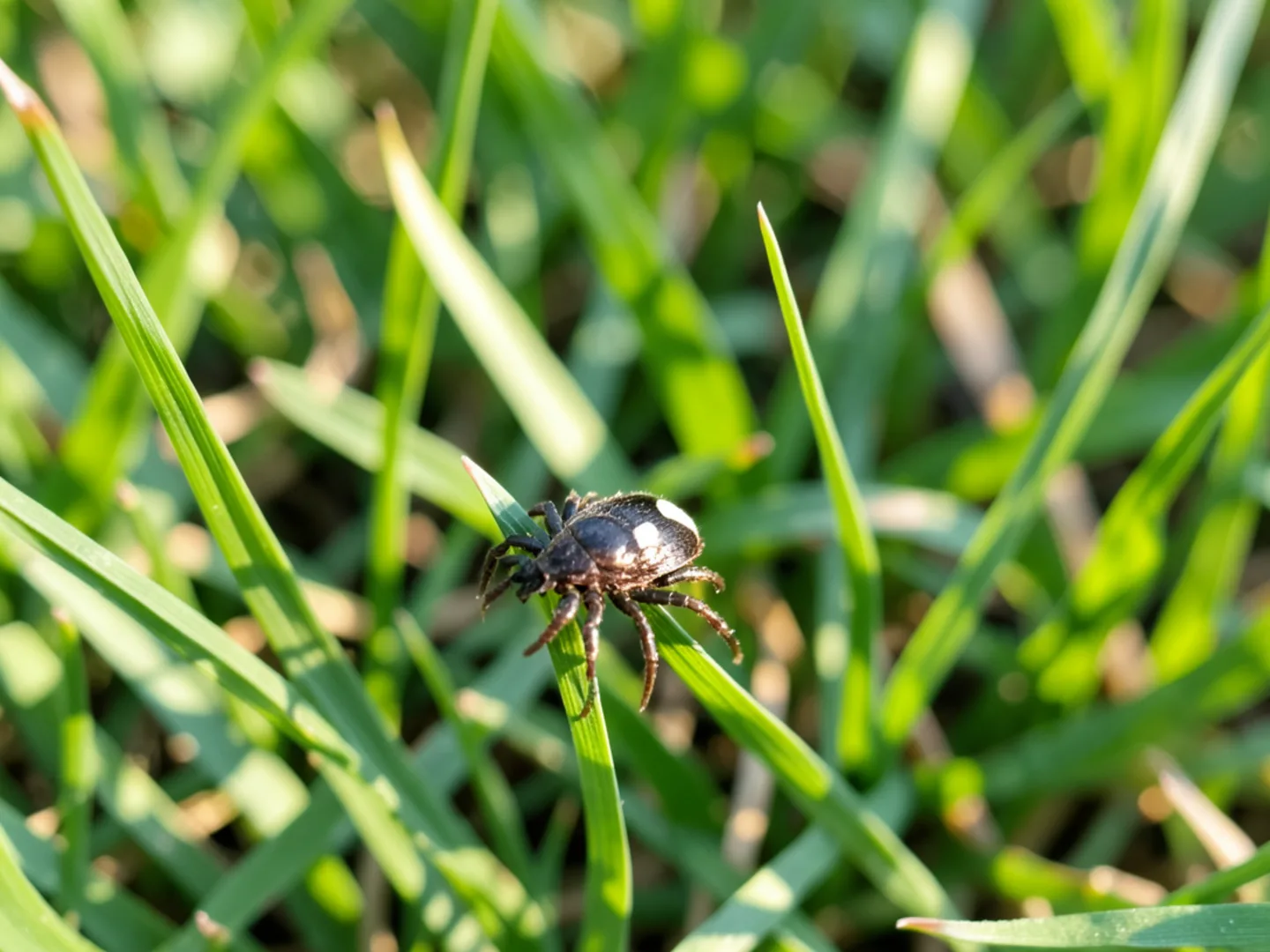
Equally pressing for Central Virginia families is the exponential increase in lone star tick encounters. Lone star ticks are the most prevalent tick species in Chesterfield and Powhatan counties. In addition to transmitting ehrlichiosis, the bite of a lone star tick can trigger **alpha-gal syndrome**, a severe, potentially life-threatening allergy to galactose-alpha-1,3-galactose (a carbohydrate found in red meat and mammalian dairy products). Properties bordering dense timber, equestrian pastures, or Pocahontas State Park face intense tick exposure carried by white-tailed deer and wildlife.
Our 5-Step Yard Suppression & Equipment Protocol
Our seasonal yard program combines physical habitat reduction with targeted perimeter treatments that dramatically decrease biting insect counts without saturating open turf areas:
1. **Property Breeding Audit & Biological Larviciding (BTI Dunks):** Mosquitoes mature from egg to biting adult in 7 days in just a thimble of water. Technicians inspect corrugated gutter extensions, catch basins, birdbaths, and tire swings, treating standing water with *Bacillus thuringiensis israelensis* (BTI) microbial briquettes that kill mosquito larvae without harming birds, pets, or aquatic wildlife.
2. **Backpack Mist Blower Foliage Treatment (Commercial High-Velocity Mist Blowers):** Adult mosquitoes shelter during the heat of the day on the cool undersides of leaves, ornamental boxwoods, and landscape ivy. Using commercial gas-powered backpack mist blowers, we apply a micro-encapsulated residual barrier mist into daytime resting canopies up to 12 feet high.
3. **Woodline Tick Granular Banding (Calibrated Rotary Spreaders):** Ticks do not jump from trees; they quest on tall grass stems at ground level. Using rotary spreaders, we apply a 10-foot-wide band of moisture-resistant pyrethroid granules along the woodline boundary between turf lawns and natural woodlands.
4. **Structural Void & Under-Deck Treatment:** Technicians treat the dark, damp recesses beneath elevated porches, crawl space access wells, and outdoor storage sheds where both ticks and adult mosquitoes congregate away from direct sunlight.
5. **Pollinator Protection Audit:** Technicians systematically map out and bypass flowering pollinator beds, blooming vegetable patches, and active clover patches to safeguard local honeybee colonies.
Virginia VDACS Category 8 Standards & Pollinator Stewardship
Outdoor mosquito and tick barrier misting in Virginia is regulated by the Virginia Department of Agriculture and Consumer Services (VDACS) Office of Pesticide Services. Applicators must maintain commercial certification in **Category 8 (Public Health Pest Control)** or Category 7A, ensuring strict adherence to EPA label precautions and Commonwealth environmental standards.
Central to VDACS guidelines is the Virginia Pollinator Protection Plan. Applying residual insecticides directly to flowering plants visited by honeybees and native bumblebees is a federal and state regulatory violation. At Sayonara Pest Control, our certified applicators perform pre-treatment yard sweeps to identify blooming flora and maintain mandatory safety buffers, providing maximum mosquito and tick knockdown while protecting beneficial pollinators.
Mosquito Breeding Around Swift Creek Reservoir Properties
Neighborhoods situated around the 1,700-acre Swift Creek Reservoir (including Brandermill, Woodlake, and western Chesterfield subdivisions) face heightened mosquito pressure due to high water tables, protected shoreline buffers, and dense canopy cover.
While the open, wind-swept surface of the reservoir itself rarely harbors dense mosquito larvae, the quiet drainage inlets, ornamental retention ponds, clogged gutters filled with damp pine needles, and unemptied outdoor flowerpot saucers in nearby yards create ideal stagnant breeding environments. Effective suppression requires a coordinated effort between professional yard applications and regular property habitat maintenance.
Seasonal Program Costs & Scheduling Expectations
Across Central Virginia, seasonal mosquito and tick control programs typically run from April to October and consist of 6 to 8 scheduled applications spaced approximately 21 to 28 days apart. Based on regional industry data (PestControlPricing, 2026), seasonal contracts generally range between **$400 and $750**, depending on parcel acreage, tree line perimeter, and foliage density. One-time special event yard sprays (for weddings, graduations, or outdoor barbecues) are also available starting at $125 to $195.
All products utilized in our yard programs are EPA-registered and applied according to strict label specifications. Once the applied mist has fully dried—which typically takes between 30 and 60 minutes on a warm Virginia afternoon—lawns, patios, and outdoor living areas are safe for children and pets to resume play.
Tick Habitat Management: Creating a 3-Foot Physical Buffer Zone
While chemical barrier misting eliminates adult ticks along brush edges, long-term property protection benefits greatly from landscape architecture modifications. In Chesterfield, Powhatan, and Goochland counties, where wooded parcels are standard, property owners can reduce tick intrusion by over 80% through habitat manipulation:
- **Woodchip or Gravel Barrier Strip:** Installing a 3-foot wide strip of dry cedar woodchips, crushed gravel, or river rock along the boundary between turf lawns and wooded timber stands creates a dry, sun-baked zone that ticks refuse to cross due to rapid desiccation.
- **Leaf Litter Clearance:** Raking fallen oak and pine needles away from fence lines, play structures, and patio borders removes the moist microclimates required for blacklegged deer ticks (*Ixodes scapularis*) and lone star tick nymphs to survive dry summer spells.
- **Deer Deterrence Strategies:** White-tailed deer are the primary reproductive hosts for adult ticks. Installing deer-resistant native landscaping or perimeter wire fencing prevents deer from depositing egg-laden female ticks adjacent to outdoor recreation zones.
Frequently Asked Questions About Mosquito & Tick Control
Specific answers regarding treatment steps, safety drying times, and local Midlothian considerations.
The lone star tick carries an alpha-gal carbohydrate molecule in its saliva. When bitten, the human immune system can develop antibodies that subsequently trigger allergic reactions (including hives, gastrointestinal distress, or anaphylaxis) hours after consuming red meat such as beef, pork, or lamb. Suppressing tick activity along property borders significantly reduces bite risks.
Fast Local Response
Protect Your Home with Proven Mosquito & Tick Control
Call (321) 496-4080 to discuss your property with our local Midlothian team. Same-week service and written estimates provided before any work starts.
No high-pressure sales Upfront written quotes Crawl space specialists