
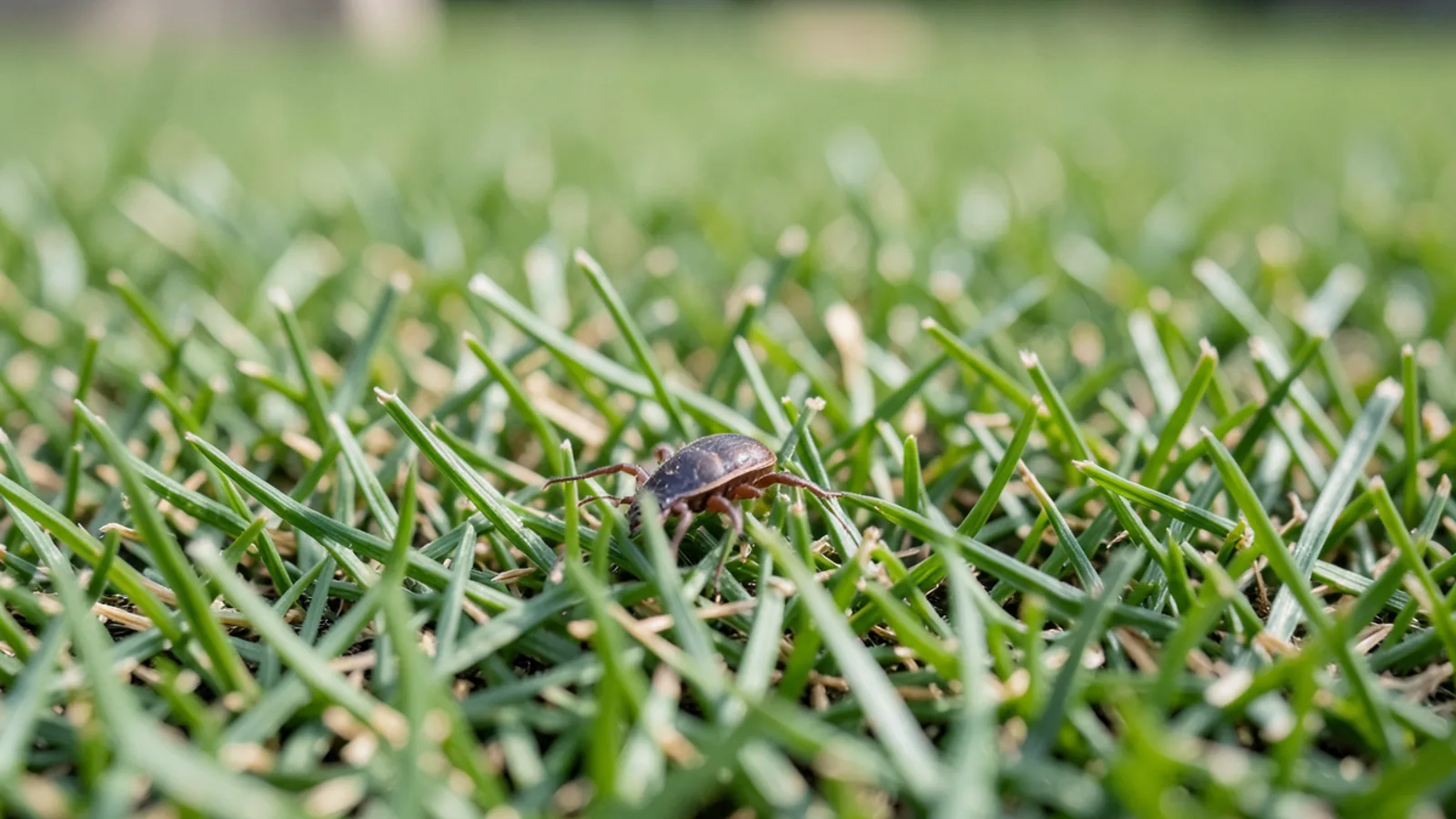
Lone Star Ticks and Alpha-Gal in Chesterfield and Powhatan
Guard against the lone star tick in Virginia: identification, red meat allergy risks, and 3-foot yard boundary misting. Call (321) 496-4080.
The lone star tick (*Amblyomma americanum*) is Central Virginia's most prevalent tick species, easily recognized by the single silvery-white dot on the female's dorsal shield. Unlike other ticks, lone star tick bites can trigger alpha-gal syndrome—a severe, delayed allergic reaction to red meat and mammalian dairy products. Protect your family through property desiccation borders, leaf litter clearing, and targeted perimeter misting.
Across Central Virginia—particularly in the rural acreage and heavily wooded subdivisions of Chesterfield, Powhatan, and Goochland counties—the lone star tick (*Amblyomma americanum*) has rapidly become one of the most feared outdoor pests.
While blacklegged deer ticks (*Ixodes scapularis*) are well-known for transmitting Lyme disease, lone star ticks are notorious for triggering **alpha-gal syndrome**, an unusual, debilitating, and potentially life-threatening allergy to mammalian red meat and dairy products that is fundamentally changing how local families experience outdoor living.
Understanding the biology of the lone star tick, how alpha-gal sensitization occurs, and how to establish effective physical and chemical yard barriers is vital for safeguarding your household.
What is Alpha-Gal Syndrome? Alpha-gal (galactose-alpha-1,3-galactose) is a carbohydrate sugar molecule found on the cell membranes of most mammals—including beef, pork, lamb, venison, and dairy products—but completely absent in humans and primates.
When a lone star tick bites a non-human mammal (such as a white-tailed deer, raccoon, or domestic dog), it ingests alpha-gal molecules. When that same tick subsequently bites a human, it injects trace amounts of alpha-gal into the human bloodstream along with anticoagulants and saliva proteins.
In susceptible individuals, the human immune system misinterprets this foreign carbohydrate as a dangerous pathogen and develops high levels of specific Immunoglobulin E (IgE) antibodies. Weeks or months later, when the sensitized individual eats a burger, steak, pork chop, or even ice cream, those antibodies trigger a systemic allergic cascade.
The Unique Danger: Delayed Allergic Reactions Unlike traditional food allergies (such as peanut or shellfish allergies) where anaphylactic symptoms occur within seconds or minutes of ingestion, alpha-gal reactions are notoriously delayed: - Symptoms typically manifest **3 to 6 hours after eating** mammalian meat. - Because the reaction occurs hours later—frequently waking victims in the middle of the night—many individuals suffer for months or years without connecting their symptoms to a tick bite. - Reactions range from intensely itchy hives, full-body redness, and severe gastrointestinal cramping to dangerous drops in blood pressure and life-threatening respiratory anaphylaxis requiring emergency epinephrine.
Identifying the Lone Star Tick The lone star tick is exceptionally common in Central Virginia and exhibits clear anatomical traits:
| Tick Species | Primary Identifying Feature | Peak Activity Season | Associated Health Risks |
|---|---|---|---|
| **Lone Star Tick** (*Amblyomma americanum*) | Adult female has a single silvery-white dot on center of back | April through September | Alpha-gal syndrome, ehrlichiosis, Heartland virus |
| **Blacklegged Deer Tick** (*Ixodes scapularis*) | Tiny dark brown/black body; black legs | October through May (cool weather) | Lyme disease, anaplasmosis, babesiosis |
| **American Dog Tick** (*Dermacentor variabilis*) | Mottled whitish-gray markings on dark brown shield | May through August | Rocky Mountain spotted fever, tularemia |
Lone star ticks are aggressive "hunters." While deer ticks wait passively on vegetation, lone star ticks actively crawl across leaf litter toward carbon dioxide, vibrations, and body heat, pursuing hosts across several yards.
Expert Insight: Central Virginia as an Epicenter of Alpha-Gal Research Central Virginia occupies a unique place in the medical history of alpha-gal syndrome. The condition was first identified in the late 2000s by Dr. Thomas Platts-Mills and researchers at the University of Virginia (UVA Health) in Charlottesville, following an investigation into why cancer patients in Virginia and North Carolina suffered severe allergic reactions to cetuximab, an oncology drug containing galactose-alpha-1,3-galactose. Further research definitively linked these reactions to prior lone star tick bites.
Today, Chesterfield County, Powhatan, and surrounding Piedmont counties are recognized regional hotspots for alpha-gal cases. The explosive growth of local white-tailed deer populations (*Odocoileus virginianus*)—the primary reproductive host for adult lone star ticks—combined with heavy residential development flanking dense deciduous woodlands (such as Pocahontas State Park and Swift Creek Reservoir) has brought tick populations directly into suburban backyards.
Clinical Diagnosis and Daily Living with Alpha-Gal Diagnosing alpha-gal syndrome requires a specialized blood test measuring specific serum IgE antibodies to galactose-alpha-1,3-galactose. In the Richmond metropolitan area, allergists routinely diagnose patients who had no initial idea their recurring midnight stomach cramps, sudden hives, or respiratory distress stemmed from an innocent summer tick bite sustained weeks or months earlier.
Living with alpha-gal requires rigorous dietary and lifestyle vigilance: - **Strict Mammalian Meat Avoidance:** Eliminating all beef, pork, lamb, venison, bison, and bacon from home meal preparation and restaurant dining. - **Scrutinizing Food Ingredients:** Monitoring labels for hidden mammalian derivatives, including gelatin in capsules, candies, and marshmallows, as well as mammalian broths, collagen, and lard. - **Dairy Sensitivity Monitoring:** In highly sensitized individuals, cow's milk, butter, and cheese can trigger allergic reactions requiring dairy-free alternatives. - **Emergency Preparedness:** Carrying a prescribed epinephrine auto-injector (EpiPen) at all times to manage unexpected systemic anaphylactic episodes.
Because repeated tick bites cause alpha-gal antibody titers to surge exponentially, preventing subsequent tick bites is vital for long-term recovery and potential antibody reduction.
Rural Acreage, Horse Farms & Pasture Management in Powhatan & Goochland For homeowners on multi-acre equestrian properties and rural parcels in Powhatan and Goochland, tick suppression requires specialized approaches that respect livestock and well-water resources. Lone star ticks thrive along tall pasture fencerows, riding trails, and manure composting areas where deer, horses, and wild turkeys congregate.
To safeguard rural acreage: - Maintain a 10-foot mowed perimeter along riding arenas, paddock fences, and barn walkways. - Keep livestock grazing pastures systematically rotated to allow sunlight to penetrate turf canopies and dry out soil surfaces. - Coordinate with veterinarians on topical tick preventatives for horses and working farm dogs. - Apply pollinator-safe, targeted tick treatments along shaded estate perimeters, maintaining strict 50-to-100-foot buffer setbacks from private drinking water wellheads and equine water troughs.
Property Tick Habitat Management & Buffer Zones Eradicating ticks from your property requires breaking their reproductive cycle and altering landscape microclimates:
- **Create a 3-Foot Physical Desiccation Zone:** Ticks are highly sensitive to moisture loss and perish quickly on hot, dry surfaces. Installing a 3-foot wide buffer of dry cedar woodchips, pea gravel, or crushed stone between your manicured lawn and adjacent wooded tree lines creates a barrier ticks refuse to cross.
- **Rake Fallen Leaf Litter Away from Living Spaces:** Oak and pine needle litter traps ground moisture, providing shelter for tick nymphs. Keeping leaf litter cleared back at least 15 feet from patios, playsets, and firepits eliminates tick harborage.
- **Deter White-Tailed Deer:** Deer are the primary reproductive host for adult lone star ticks. Installing perimeter fencing or deer-resistant landscaping discourages deer from depositing thousands of tick eggs adjacent to your yard.
- **Targeted Perimeter Barrier Misting:** We apply micro-encapsulated liquid and granular pyrethroid treatments along the shaded 15-to-20-foot transition zone where lawn meets brush, eliminating ticks where they quest.
Frequently Asked Questions About Lone Star Ticks & Alpha-Gal
**Can lone star tick larvae (seed ticks) transmit alpha-gal?** Yes, larval ticks that hatch in late summer often cluster in groups of thousands on vegetation. Even tiny larval bites can introduce alpha-gal and trigger sensitization in susceptible individuals.
**Is alpha-gal syndrome permanent once contracted?** Not always. In some individuals, IgE antibody levels decline over several years if they avoid additional tick bites. However, a single subsequent tick bite can cause antibody levels to spike again, reigniting the red meat allergy.
**Do regular bug sprays protect against lone star ticks?** Standard DEET repellents applied to skin provide moderate temporary protection, but treating outdoor clothing and boots with 0.5% permethrin spray provides significantly superior protection by killing ticks on contact upon landing.
**What is the proper method for removing an attached lone star tick?** Use fine-tipped tweezers to grasp the tick as close to the skin's surface as possible. Pull upward with steady, even pressure without twisting or jerking, which can cause mouthparts to break off in the skin. Clean the bite area thoroughly with rubbing alcohol and save the tick in a sealed plastic bag in your freezer in case medical testing is needed later.
**Can dogs contract alpha-gal syndrome from lone star tick bites?** No. Dogs and other non-primate mammals naturally possess the alpha-gal carbohydrate in their bodies, so their immune systems do not develop an allergic reaction to it. However, lone star ticks can transmit other serious canine diseases, including canine ehrlichiosis and tularemia.
Protect your family from tick bites and alpha-gal syndrome. Call Sayonara Pest Control at **(321) 496-4080** to schedule seasonal tick suppression across Midlothian, Powhatan, and Chesterfield.

Talk directly with our local Midlothian dispatch team for guidance and fast scheduling.

Related Services & Service Areas
Targeted Services
Local Communities
Need On-Site Pest Assistance in Midlothian?
Call (321) 496-4080 to book a thorough crawl space or perimeter inspection with Sayonara Pest Control.