
Mice in the Crawl Space: Why Chesterfield Homes Get Rodents Every Fall
Why mice in crawl space invade Chesterfield homes each autumn, stack-effect air contamination, and permanent wire exclusion. Call (321) 496-4080.
To get rid of mice in your crawl space permanently, seal all exterior foundation openings larger than 1/4 inch with 19-gauge galvanized steel hardware cloth, set mechanical snap traps along foundation perimeter sills to eliminate trapped rodents, and avoid loose poison baits that cause decomposing odors and secondary raptor poisoning.
Each year as late October frost settles across Chesterfield County and night temperatures drop into the 40s, thousands of residential crawl spaces become ground zero for winter rodent invasions. Homeowners across Midlothian, Brandermill, and North Chesterfield typically first realize uninvited guests have arrived when they hear light scurrying, scampering, or gnawing noises beneath their living room floorboards between 10:00 PM and 3:00 AM.
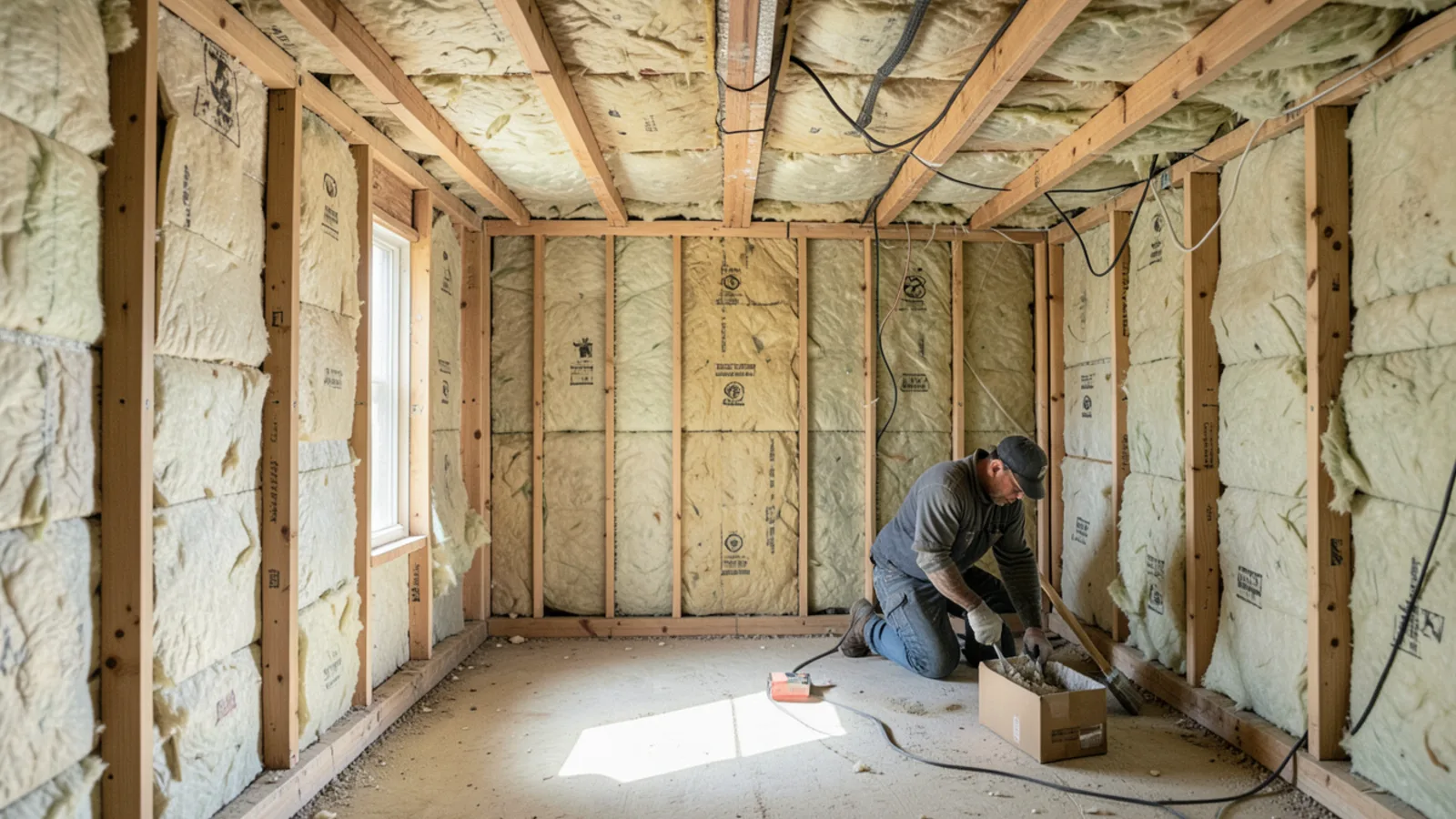
Crawl spaces in Central Virginia offer field mice (*Peromyscus leucopus*) and Norway rats an ideal winter sanctuary: pitch dark, completely sheltered from wind and predators, and insulated by thick rolls of fiberglass beneath the subfloor.
The Autumn Migration: Why Rodents Target Foundations During summer, outdoor rodent populations thrive in Chesterfield's wooded lot borders, utility easements, and park boundaries, feeding on wild acorns, hickory nuts, grass seeds, and garden vegetation. But as autumn foliage falls and natural food supplies dwindle, falling temperatures trigger a powerful biological survival migration toward the thermal heat signatures radiating from residential homes.
A ventilated crawl space continuously breathes warm air through foundation louvers, loose access hatches, and plumbing penetrations. Mice have exceptional olfactory senses and can detect warmth, food scents, and sheltered voids from dozens of yards away. Because an adult mouse can squeeze through an opening the size of a dime (1/4 inch) and a full-grown rat requires only 1/2 inch, even minor cracks around exterior air conditioning line-sets, gas pipes, or weathered vent screens serve as open doorways.
The Severe Structural and Health Damage Hidden Below Your Floor Many homeowners assume a few mice in a crawl space cause little harm as long as they do not venture into the kitchen. In reality, rodents inflict severe, costly structural and health hazards beneath your living areas:
- 1. **Subfloor Insulation Destruction & Heat Loss:** Mice shred fiberglass batt insulation to build warm nesting cavities. As urine and fecal droppings accumulate, the moisture-laden fiberglass becomes heavy and pulls loose from subfloor joists, falling onto the damp dirt floor. This destroys your home's thermal R-value and causes winter heating bills to spike.
- 2. **Electrical Fire Hazards & PEX Water Leaks:** Rodents possess continuously growing front incisor teeth (growing up to 5 inches per year). To keep them filed down, mice and rats gnaw aggressively on structural materials, stripping the protective plastic insulation off electrical wiring (a documented cause of mysterious residential fires) and puncturing PEX plumbing lines, causing hidden crawl space floods.
- 3. **Air Quality Contamination via the 'Stack Effect':** In a crawl-space home, building physics dictates that approximately 40% to 50% of the air breathed on the first floor is drawn directly upward from the crawl space through floor seams, heating registers, and plumbing chases (the stack effect). When mice urinate and defecate across subfloor insulation, microscopic fecal dust, dander, and airborne pathogens (including hantavirus and salmonella) are circulated through your family's living areas.
Crawl Space Rodent Control: Trapping & Exclusion Comparison
| Method | How It Works | Effectiveness | Safety & Odor Risk |
|---|---|---|---|
| **Poison Bait Blocks** | Anticoagulant pellets placed in crawl spaces | Low; rodents die inside inaccessible wall voids | Severe decomposing odor risk; secondary pet poisoning |
| **Ultrasonic Sound Repellers** | Emits high-frequency sound waves | Extremely Low; rodents habituate within 48 hours | Zero risk, but zero real rodent reduction |
| **Exterior Structural Exclusion** | Sealing entry voids with galvanized steel hardware cloth | **100% permanent prevention** | Safe; prevents new rodents from ever entering |
| **Mechanical Snap Trapping** | Secured heavy-duty traps along confirmed runways | High; rapidly captures rodents inside within 7–10 days | Safe; allows physical removal without carcass decay |
| **Expanding Polyurethane Foam** | Spray foam filling foundation holes | Very Low; rodents chew through foam within 24 hours | Flammable; gives false sense of security |
Expert Insight: Tick Vectors, Lyme Disease & Secondary Poisoning Risks In Chesterfield County, the white-footed mouse (*Peromyscus leucopus*) plays a direct, documented role in human health beyond physical timber gnawing. Epidemiological research confirms that white-footed mice are the primary mammalian reservoir host for *Borrelia burgdorferi*, the bacterium that causes Lyme disease. When larval blacklegged ticks (deer ticks) hatch in late summer and take their first blood meal from infected mice nesting in your crawl space, those ticks contract the pathogen and molt into dangerous nymphs that transmit Lyme disease and anaplasmosis to homeowners and pets the following spring.
Furthermore, reliance on over-the-counter second-generation anticoagulant rodenticides (SGARs)—such as brodifacoum or bromadiolone—poses severe ecological hazards throughout Central Virginia. When poisoned mice become sluggish and stumble outdoors before perishing, local predatory raptors including red-tailed hawks, barred owls, and neighborhood domestic cats consume the toxic rodents, suffering fatal secondary internal hemorrhaging.
Professional IPM protocols reject broadcast bait scattering. Instead, our technicians rely strictly on mechanical exclusion to deny structural entry, paired with high-leverage snap traps housed within tamper-resistant interior runway boxes. This approach achieves 100% capture without introducing toxic chemical residues to your soil, air, or native wildlife.
Why Poison Baits Alone Fail Throwing over-the-counter poison bait blocks into a crawl space is one of the most counterproductive decisions a homeowner can make. Poisoned rodents rarely leave the structure to die outside. Instead, they crawl into inaccessible floor framing, air duct insulation, or interior wall voids to perish. Within three days, the decaying carcass generates an unbearable odor that lingers for weeks and attracts secondary infestations of blow flies and carpet beetles.
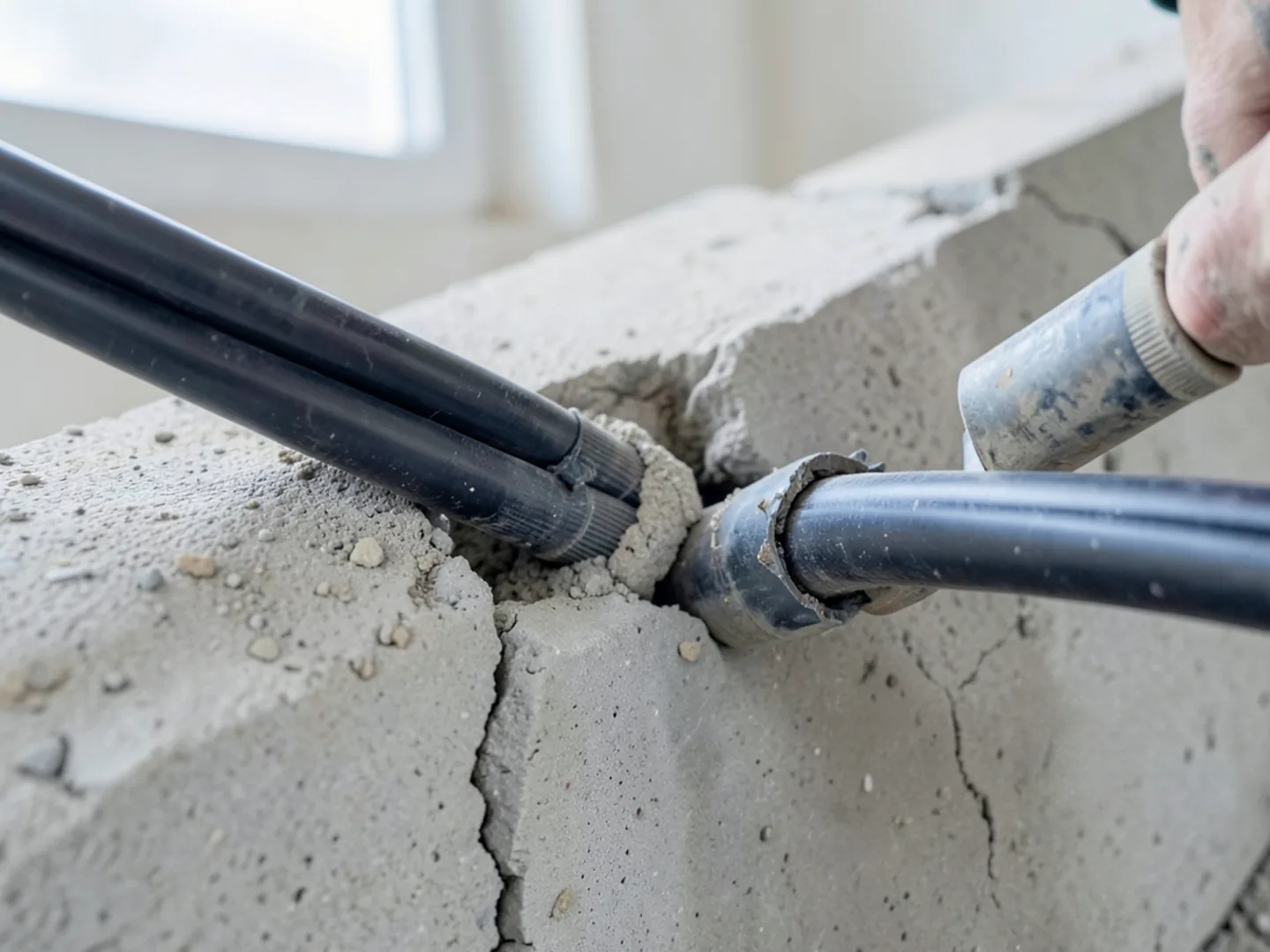
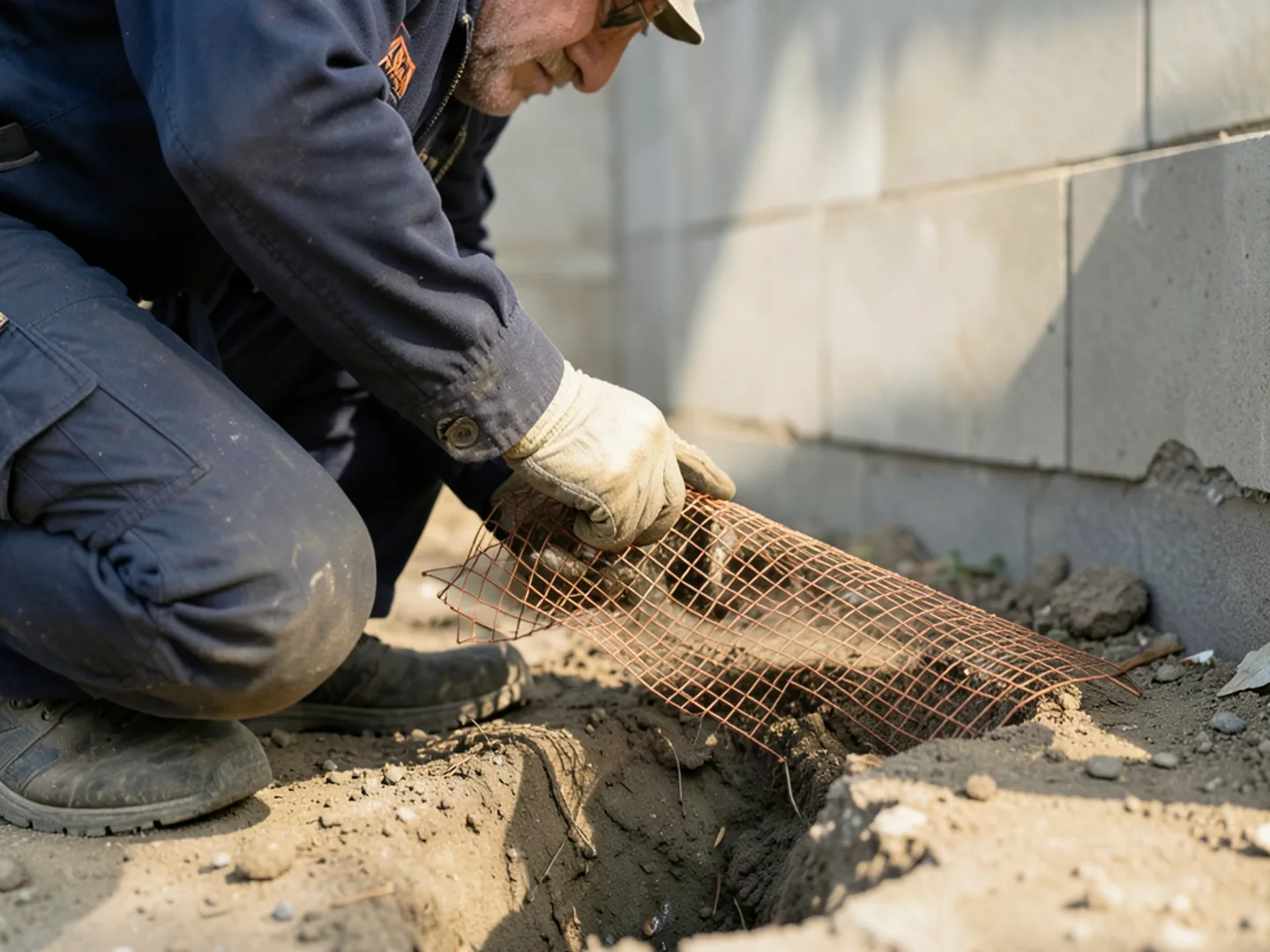
The Permanent Solution: Exclusion & Trapping Eliminating crawl space rodents permanently requires a strict 3-stage mechanical approach: - **Comprehensive Exterior Exclusion:** Every foundation void larger than 1/4 inch must be permanently sealed using materials rodents cannot gnaw through. We install heavy-gauge galvanized steel hardware cloth over foundation vents, pack copper mesh around AC line penetrations, and reinforce crawl space door frames with sheet metal flashing. - **Precision Mechanical Snap Trapping:** Once the structure is sealed, we place heavy-duty enclosed snap traps along confirmed crawl space runways to remove all animals trapped inside safely within 7 to 10 days. - **HVAC Ductwork & Vapor Barrier Inspection:** Rodents frequently tear open flexible ductwork insulation to nest, pulling crawl space contaminants directly into home heating systems. We inspect all flex ducts for punctures. - **Pheromone Sanitization & Odor Neutralization:** Contaminated insulation is removed, droppings are sanitized with EPA-registered hospital-grade antimicrobial mist, and biological pheromone trails are neutralized so outdoor rodents are not attracted to the foundation in future seasons.
Frequently Asked Questions About Crawl Space Rodents
**How do I know if the noises in my ceiling are mice, rats, or squirrels?** Mice produce light scurrying, pattering, and gnawing sounds primarily at night between 10 PM and 4 AM. Gray squirrels are diurnal (active during daylight hours), producing heavy rolling and bounding thuds in the early morning at sunrise and late afternoon before dusk.
**Can mice climb up plumbing lines into the kitchen?** Yes, mice are agile climbers and frequently use copper pipes, PVC drain lines, and electrical wiring conduit as vertical ladders, emerging beneath bathroom vanities and kitchen sink cabinets.
**Will closing my crawl space vents in winter keep mice out?** Standard plastic or aluminum louvers on crawl space vents are easily chewed through or pushed open by hungry rodents. Only rigid galvanized steel wire mesh (1/4-inch hardware cloth) mechanically secured over vent openings keeps rodents out permanently.
**Can spray foam alone stop mice from entering a foundation?** No. Standard expanding polyurethane foam can be chewed through by a mouse in less than five minutes. To be effective, gaps must be packed tightly with stainless steel or copper mesh before being sealed with hydraulic cement or rodent-resistant expanding sealant.
**How many mice typically live in an infested crawl space?** A typical untreated autumn infestation begins with an overwintering pair. Because female mice produce 5 to 10 litters annually with 5 to 6 pups per litter that mature within six weeks, an undetected colony can swell to 20 to 30 active rodents within 90 days.
Hearing scurrying beneath your floors? Call Sayonara Pest Control at **(321) 496-4080** for a full crawl space rodent evaluation and permanent exclusion service.
Talk directly with our local Midlothian dispatch team for guidance and fast scheduling.
Related Services & Service Areas
Targeted Services
Local Communities
Need On-Site Pest Assistance in Midlothian?
Call (321) 496-4080 to book a thorough crawl space or perimeter inspection with Sayonara Pest Control.